The Waterline Moves: Bank Fishing Trossachs Drawdown Zones in November
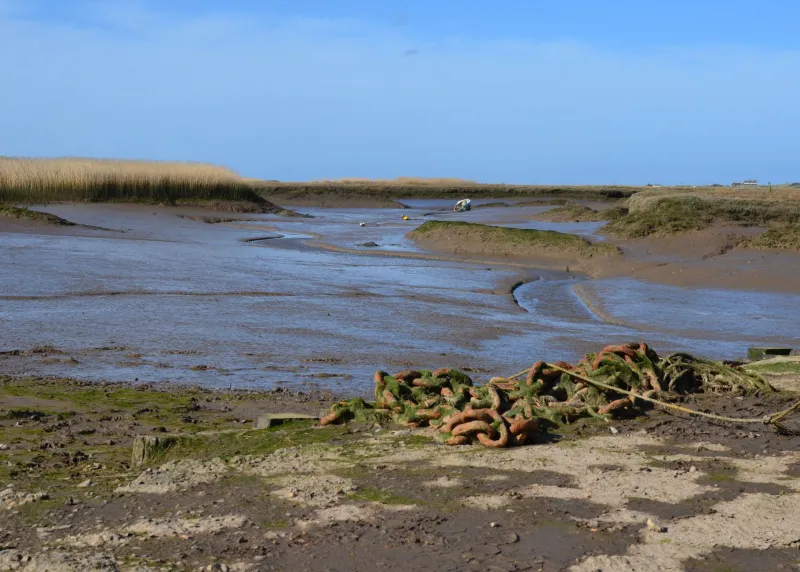
Reservoirs are restless places. Unlike a natural loch, which tends to sit at a roughly familiar level, a reservoir is managed, and late autumn is when that management gets busy. On Trossachs waters such as Venachar and Katrine, the shoreline you fished in July may now be high and dry, with a band of mud, stone, weed and old field boundaries laid bare for the first time in months. For bank anglers, that's not a problem to grumble about. It's fresh water to read.
Why the shoreline keeps moving
Reservoir levels are moved around the system for storage and supply, and autumn rain doesn't always mean a full loch by the weekend. You can arrive at a favourite mark near Brig o' Turk or down towards the Dukes Pass and find the water two or three feet lower than your last visit, or higher after a wet spell. The key point is that the waterline is a moving target, not a fixed feature. Treat the edge as something that has to be re-read every session rather than remembered from last month.
Reading the exposed bank
When the water pulls back, it leaves a story written in mud and stone. Start with the shape of the bank rather than the water itself. A hard, gravelly strip that runs out and then drops away marks an old shoreline contour — often the best place to stand and cast from, because the drop-off continues underwater. Soft, boot-sucking silt usually means deeper water and less interesting bottom, though it can be worth a look where it meets harder ground.
Then look for the man-made stuff. Old walls, dykes and field boundaries are common on reservoir margins, and they're fish magnets because they give pike and perch something to sit against. Don't climb on them, and don't pull stones about — they're often historic features and can be unstable — but note where they run into the water. That junction is a casting target. The same goes for drowned fence lines, gateposts and the remains of old tracks.
Weed is the other giveaway. Exposed, blackened weed beds show you where the green stuff grew in summer. The live edge of that weed, where it meets open water, is where baitfish will hang about, and predators won't be far away. Inflow channels are worth tracing too: the little burns coming off the hill near Glen Finglas or above the north shore of Venachar cut channels through the exposed mud. Fish those cuts where they meet the main body of water, especially after rain has coloured them slightly.
Where the fish go when the water pulls back
As levels fall, fish don't simply follow the water down like a lift. They reposition. Predators such as pike will often sit just off the new drop-off, in the deeper water next to the fresh structure, waiting for stragglers. Perch tend to shoal tighter around remaining cover — a bit of weed, a rock pile, a wall end — and can be surprisingly shallow if there's food and shelter.
The most productive zone is usually the first few yards of deeper water beyond the exposed edge. That's where the old shoreline contour continues underwater, and it's where you should aim your first casts. Don't ignore the very shallow margins either, particularly on dull, mild November days; pike will slide into surprisingly little water to hunt. But if you've had a couple of hours without a touch on the shallows, move out and follow the drop.
Tactics: rove, don't settle
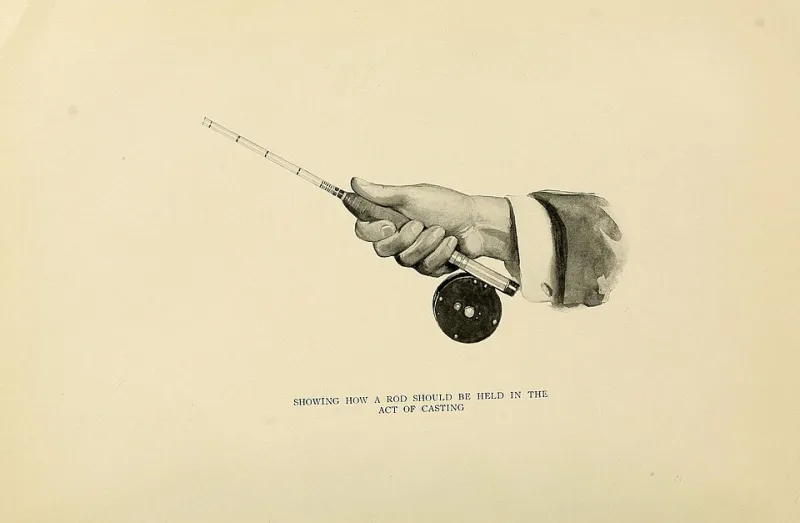
Because the waterline moves, static sessions can be a trap. Better to travel light and rove. A single rod, a small box of lures or a tub of deadbaits, and a landing net are enough. On the lure front, slow and steady wins in cold water: soft plastics on light jigheads, a slowly worked spinnerbait, or a swimbait crawled along the drop-off. For bait, a ledgered deadbait fished just beyond the old edge is a solid starting point, with a float rig handy for shallower, snaggy corners.
Watch the water as you go. If you see the level creeping down during the session — and you often can, if you mark a stone at the edge — adjust with it. Fish the new edge rather than the one you started on.
Soft ground and cold water: safety first
Drawdown zones can be deceptively dangerous. What looks like firm gravel may be a crust over deep silt, and the margins of a reservoir are notorious for soft going. Wear boots with proper grip, carry a walking pole to test the ground ahead, and don't wade out to reach the water — there's no need and it's not worth the risk. Cold water saps strength quickly, and reservoir banks are often steep and slippery. Tell someone where you're going, keep a phone in a waterproof pouch, and carry a headtorch; November afternoons fade fast in the Trossachs.
Permits, access and leave-no-trace
Drawdown exposes ground that's normally underwater, but it doesn't change who owns it or how you should treat it. Check the current permit arrangements before you travel — the usual Trossachs channels will tell you what's required for Venachar, Katrine and the rest — and stick to paths and gates rather than cutting across private ground. Exposed archaeology should be left exactly as found. Take all litter home, including line and bait packaging, and avoid trampling the gravelly inflows where trout may be spawning. The Scottish Outdoor Access Code is a good default: access responsibly, and leave the place no worse than you found it.
The late-autumn drawdown checklist
- Polarised sunglasses to cut glare and read the underwater edge
- Boots with grip and a walking pole for testing soft ground
- A marked stone or stick to track the falling level
- Permit and access details checked before setting off
- Lure box with slow, cold-water options and a few deadbaits
- Landing net, unhooking mat and forceps
- Warm spare layer, flask and headtorch for short days
- Phone in a waterproof pouch, and someone who knows your plan
- Litter bag — take everything home, including line offcuts
Fish the water you've got, not the water you remember. On a falling reservoir, that's the whole game.