Frost on the Rod Rings: Winter Grayling on a Small Trossachs River

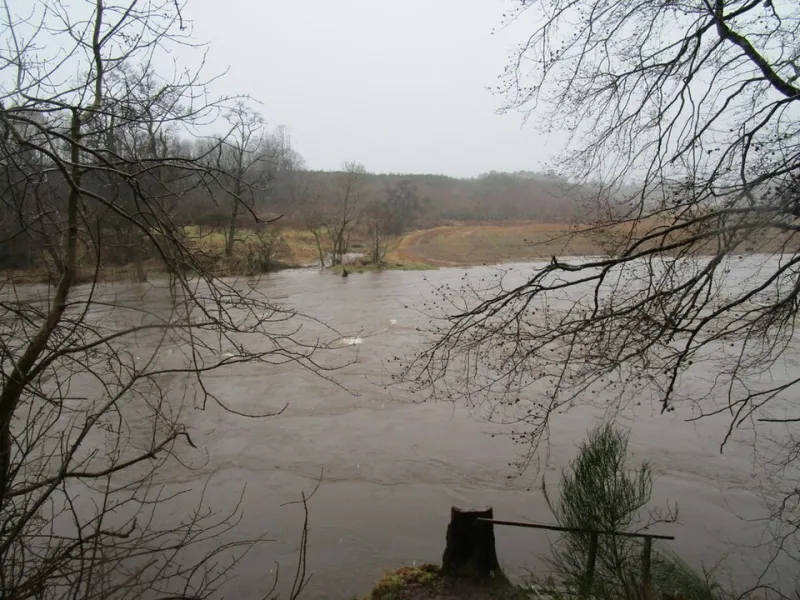
Photo: winter grayling fishing small river Scotland frost float rod, via getwallpapers.com
The first hard frost of the month had me scraping the windscreen before dawn, which is usually the point where trout anglers roll over and go back to bed. Fair enough. But there is another option on a small Trossachs river, and it does not involve pretending the trout are still on the feed. Grayling are not a miracle cure for cold water, and anyone who tells you the Trossachs is a grayling Mecca has not spent enough time standing in it. But on the right river, on the right morning, they give you a genuine reason to walk the bank.
Why grayling, and why not everywhere
Grayling are present in parts of the Forth system, but they are not hanging on every riffle. Treat any small river as a maybe, not a guarantee. The fish you are looking for are usually in modest numbers, spread through the deeper glides and the quieter creases. That suits a winter session: you are not trying to cover a huge loch, and you are not waiting for a hatch that will never come.
The appeal is simple. When trout go dour, grayling will still take a small bait if you put it in front of them. They are not stupid, and they will not chase a badly presented lure through icy water, but a single maggot tripping along the bottom is a different matter. The catch is that you have to slow down, tidy up your tackle, and accept that a good day might be four or five fish rather than forty.
Finding the frosty edge
The phrase frosty edge is not just atmosphere. In cold water, grayling tend to sit in the least energetic spot that still gives them food. That often means the edge between fast and slow water: the crease below a gravel run, the tail of a pool where it starts to shallow, or the slack behind a boulder. A deep, dour glide can be better than a shallow riffle that looks like a postcard.
On a small river, look for two to four feet of water with a bit of movement over the bottom. If the river is up and coloured, wait for it to fall and clear; grayling will feed in coloured water, but it is not the session to cut your teeth on. A cold, dry night followed by a bright morning often fishes best once the sun has touched the water for half an hour. Do not wait until lunchtime, though. The window can be short.
One useful habit is to walk a section without fishing it first. Note the deeper slots, the bank-side cover and the places where the current slows. Then fish them properly, one at a time. On a small river, noise matters. Keep low, do not wade deeper than you need, and leave the polarised glasses on.
A light touch, literally
The tactics are not complicated, but they need to be neat. A 12 or 13ft float rod with a centrepin or small fixed-spool reel is plenty. Use a 3lb main line and a 2lb hooklink, with a size 16 or 18 wide-gape hook. A single red maggot is the classic, but a small piece of worm or a couple of maggots can be better on a really cold day.
Set the float so the bait trips the bottom rather than dragging under it. Bulk the shot about 18 inches above the hook and put a couple of droppers below. Trot the float down the glide, holding back gently so the bait slows and lifts. The bite is often a small dip, a hold, or the float just refusing to travel. Strike at anything that looks wrong.
Feed sparingly. A few maggots every run is enough; you are trying to hold a fish or two, not build a shoal. If the flow is very slow, drop to a lighter float and fewer shot. If you have not had a bite after 15 or 20 minutes in a likely spot, move. Grayling are not usually far, but they are not everywhere.
In deeper pools, a touch-legered worm or a tiny feeder can work when the float is impractical. Keep the feeder small and the hooklink short. You are not carp fishing; a mouthful of bait is the point.
Access, permits and the boring bits
This is the part that catches people out. Scotland's right to roam is a wonderful thing, but it does not include fishing. You need permission from the riparian owner or the angling club that holds the water. Some smaller rivers have day tickets, some are season permit only, and some have no formal arrangement at all. If there is no clear ticket, ask. A farm or estate office is usually the place to start.
Check before you go: is the bank club water, private water, or a mix? Are there closed dates or protection orders? Is there a sensible parking spot that is not blocking a gate, a passing place or a forestry track? Do not assume a path along the bank means access for anglers. The Scottish Outdoor Access Code covers walking and responsible access, not a rod licence to fish wherever you fancy.
Take the biosecurity kit as well. Dry your boots, net and waders between rivers, and check, clean and dry anything that has been in the water. Small rivers are fragile, and grayling do not need extra pressure from muddy kit.
When you handle a grayling, wet your hands, unhook it in the water if you can, and keep it out of the air for seconds rather than minutes. Barbless hooks make life easier for you and the fish. In winter they are feeding, not spawning, but the same care applies.
The walk and the reward
A small Trossachs river in frost is not a numbers game. You will walk further than you fish, and you will spend a fair bit of time thawing your fingers on a flask. But a grayling coming up in cold, clear water is a proper winter sight, and it keeps your eye in when the trout have gone quiet. Go light, go early, sort your permission first, and treat every fish as a bonus rather than a right. That is the session worth the walk.