Six Cold-Water Flies for Short Trossachs Days
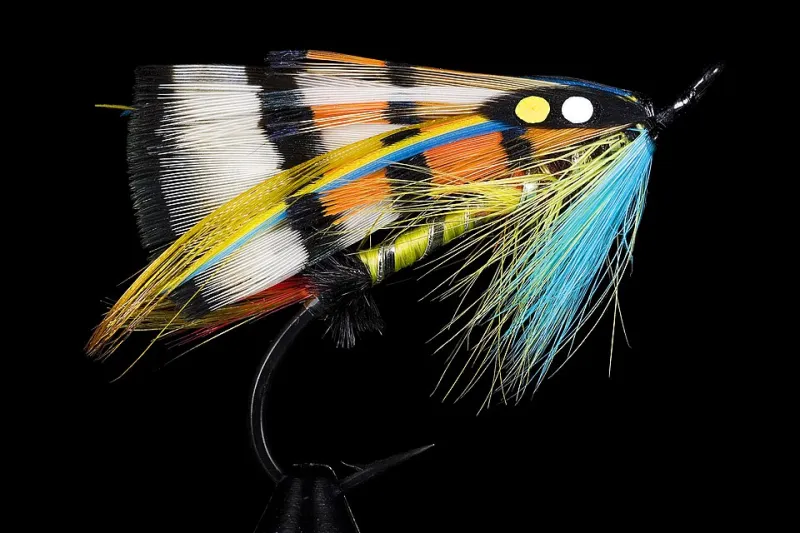
Photo: MichaelMaggs, CC BY-SA 3.0, via Wikimedia Commons
By the time November settles over the Trossachs, the easy fishing has gone. Loch Achray and Venachar can still look inviting in a low sun, but the water is cold, the light drains out of the afternoon by half three, and the trout are not in the mood for a fast stripped lure. That does not mean packing up. It means carrying a smaller, more thoughtful box.
The six patterns below are not a magic formula. They are the sort of flies that keep earning a place because they either show a silhouette in tea-coloured water, move a little in a slow retrieve, or give off just enough flash when the sky is the colour of wet slate. Fish them with confidence, but change rather than flog a dead drift.
Start with silhouette, not sparkle
A Black Pennell is still the first fly I tie on when the lochs are cold. The slim black hackle and silver rib give a suggestion of life without asking the fish to chase. On a sinking line or a long leader with a slow figure-eight retrieve, it sits in the top metre where late-autumn trout often feed. From the bank, fan your casts from a point and let the wind carry the fly across a wave lane. From a boat, cast across the drift and mend line to keep contact. If the local shop has no Pennell, any slim black wet with a silver rib will do a similar job.
The peat-stained standby
Kate McLaren is the pattern that gets overlooked because it looks old-fashioned. In peaty water it remains readable, with a dark body and a bit of red at the tail that gives fish something to target in poor light. Fish it near drop-offs and weed edges rather than in the middle of nowhere. On the bank, work parallel to the shore for a few steps at a time. In a boat, drift along a known contour and cast ahead of the boat, not straight down the wind. A Bibio or a dark Zulu from the local counter is a fair stand-in if you cannot find the real thing.
When the wind gets up
A Bibio earns its keep in a chop. The leggy profile pushes water and looks alive when the surface is broken, which is exactly what you want on one of those days when the wind is coming down the loch and the light is going. Fish it on a floating or intermediate line with a steady, unflashy retrieve. Keep the rod tip low and let the wind do some of the work. Do not overcast. A shorter line you can control beats a long line you cannot.
The flash in fading light
Silver Invicta is the one for the last half-hour. The tinsel rib catches what little light is left, and that can be enough when the trout have moved off the deep water and are cruising the shallows. Fish it on the point or top dropper, depending on the depth, and retrieve it slowly enough that the flash is a glint rather than a strobe. If your shop does not stock it, a Peter Ross or a small silver-bodied wet will cover similar ground.
Small and dark for flat calm
A Diawl Bach is not glamorous, but on a flat-calm November afternoon it can be the difference between a blank and a fish. The dark, buzzer-like profile suits cold water and cautious trout. Use a long leader, a floating line and a very slow retrieve, or hang it under a midge tip. From the bank, cast along the edge of a weed bed and let it sink before you move it. A small Cormorant is a reasonable substitute when the shop shelf is thin.
A streamer for the last hour
Finally, carry one small streamer — a mini Muddler, a black and gold Woolly Bugger or something similar. This is not a pike-sized lure; it is a fly for the last hour when trout switch on to baitfish and the light is almost gone. Fish it near weed edges and drop-offs, and keep it moving just enough to show a pulse. If pike are about, use a wire trace and step up the leader. A local shop can usually put you on a suitable small streamer without going overboard.
Wind, clarity and the safe release
Two things decide more than the fly: wind and clarity. In a strong wind, fish the sheltered shore and keep casts low. In tea-coloured water, go darker and slower; in clear water, let a little silver do the work. And whatever you catch, release it properly. Use barbless or debarbed hooks, wet your hands, unhook the fish in the water and do not lift trout by the dry body. In November the water is cold enough that a careless release can do real damage. Check your permit, know the rules for the water you are on, and leave the bank as you found it.
The November fly box is not about having every pattern ever tied. It is about having six flies you understand, in a box you can open with cold fingers in a fading light.