When the Teith Runs Brown: Spate Fishing That Makes Sense
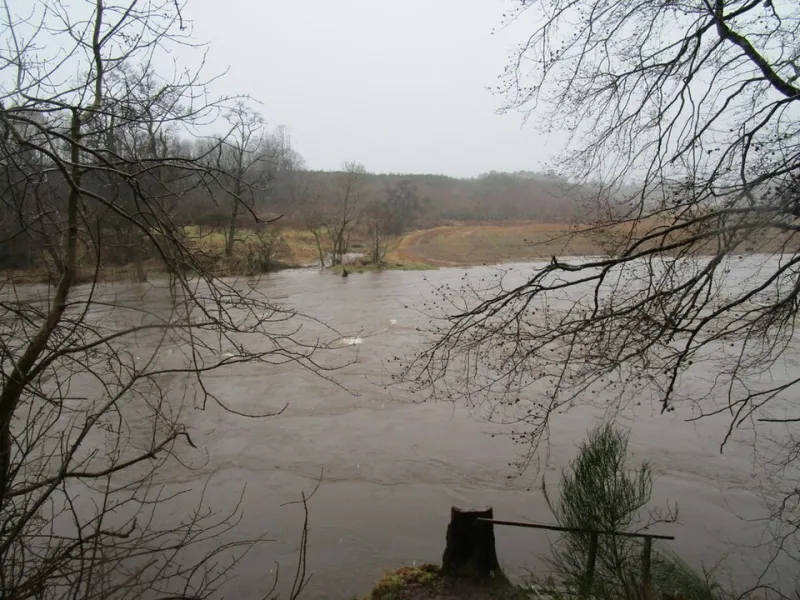
Photo: Jonathan Thacker , CC BY-SA 2.0, via Wikimedia Commons
Late autumn in the Trossachs has a rhythm of its own. One day the lochs are flat calm and the hills look sharp enough to cut yourself on. The next, the Teith is carrying branches, the Forth has gone the colour of milky tea, and every field drain is running like a small stream. For river anglers, that is the signal to start thinking — and also the signal to start being careful.
Spate fishing is not about charging down to the bank the moment the rain stops. It is about reading the water, picking your moment and accepting that the river, not your diary, is in charge.
Read the river before you rig up
Before you load the car, look at the trend, not just the level. A river that is high but falling is a different proposition from one that is still climbing. The Scottish Environment Protection Agency publishes river-level data, and a glance at the gauge, combined with recent rainfall and a local webcam, will tell you more than a optimistic forecast ever will.
Colour matters as much as height. A slight tea stain is fine; chocolate-brown water with zero visibility is not. Look for stable or falling levels, clearing edges and less debris. If the river is still rising, or the forecast has another band of rain lined up, save the fuel. A rising spate is dirty, fast and unpredictable.
The bridge test
On the way, stop at a bridge and look over the parapet. You are checking three things: height against known marks, speed, and how much rubbish is coming down. If the water is pushing into fields, thumping against bridge piers or carrying whole branches, turn round. No permit, fly or lure is worth a stupid decision.
On the Teith and the upper Forth, the difference between a fishable spate and a dangerous one can appear in an hour. Treat every drop of rain as a reason to reassess.
Where fish go when it is up
Pike and perch do not want to burn energy in the conveyor belt. They look for slack water: behind bridge piers, inside bends, eddies below weirs, flooded margins with cover, and the mouths of clearer tributaries where dirty main-river water meets something cleaner. In the Forth, backwaters and slower deeps can hold fish. On the Teith, known pools and sheltered pockets are worth a look, but fish them close and slow.
The edges are often the answer. Anglers tend to cast to the middle because it looks dramatic. The fish are frequently a rod length from the bank, tucked under a bush or sitting in the lee of a rock. Fish the slacks properly before you go hunting for hero water.
Tactics for a dropping river
The best window is usually as the river drops and clears, not while it is still on the way up. Slow everything down. Big soft plastics, spinnerbaits and jerkbaits worked in the quieter water can tempt pike, while smaller lures and worms are worth a go for perch. If deadbaiting is permitted on your beat, a smelly bait in a deep slack is a classic winter approach.
In coloured water, vibration and silhouette matter more than fine detail. Bright colours can help, but natural patterns come into their own as the river clears. Use tackle heavy enough to steer a fish away from snags, and single hooks where you can. Check the beat rules before you fish — methods and seasons vary, and salmon and sea trout rules are not something to guess at in November.
Flies and lures
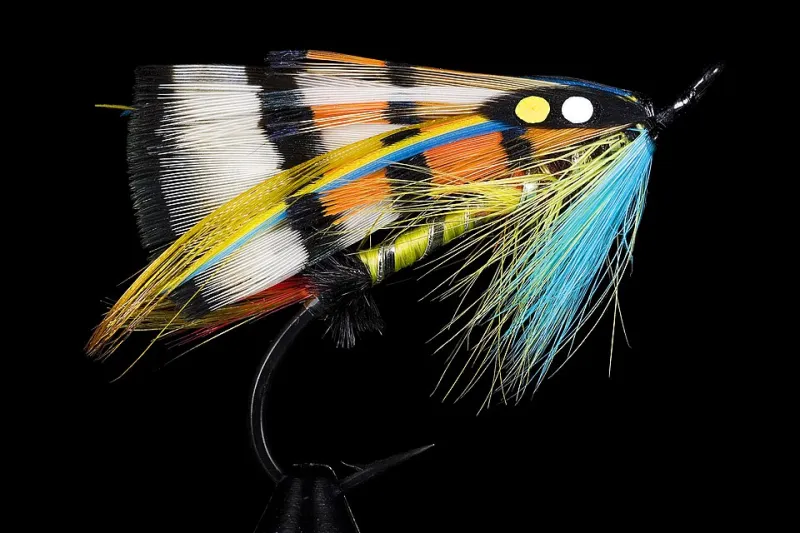
If trout season is open where you are fishing, heavy nymphs and streamers can work in the slower margins. In late autumn and winter, though, the realistic targets are usually pike and perch, where permitted. A big dark fly or streamer fished slowly in a slack can be worth a cast, but do not ignore the lure rod. Matching the hatch is less important than matching the mood of a cold, coloured river: slow, low and close to cover.
Safety: when to leave the rod in the car
This is the part that matters most. Cold, fast water is brutally strong. Undercut banks can collapse. Slippery rocks are waiting for a moment of complacency. If you would not walk across the river at a ford, do not wade it with a rod in your hand.
Leave the rod in the car if the river is still rising, if the bank is under water, if you are on your own with no phone signal and no one expecting you, or if the water is over your knees and pushing hard. Wear a buoyancy aid, carry a wading staff, tell someone where you are going and have a dry change of clothes waiting at the car. Better still, fish with a mate. The best spate anglers are the ones who go home.
Realistic expectations
Spate fishing is not a numbers game. It can switch fish on, but it can also shut them down completely. One good pike from a sheltered slack can make the day; a blank is always possible. Go for the conditions, not for a guarantee, and give yourself permission to pack up early if the river starts to colour again.
The Teith and the Forth will still be there next week. Fish the drop, respect the water and keep the drama for the stories afterwards.