Ripple Logic: Choosing a Bank When the Trossachs Wind Gets Up
Photo: angler reading wind ripples on Loch Venachar Trossachs Scotland winter bank fishing, via i.pinimg.com
November wind in the Trossachs rarely arrives with a polite knock. It comes down off the hills, shoves a lop across Loch Venachar and turns a calm morning into a grey, shuffling sheet of water before you have tied on a fly. The temptation is to retreat to the car or write the day off. That is usually the wrong call. A bit of breeze can be exactly what puts trout, pike and perch on the feed — provided you read what the water is doing and choose your bank with a bit of thought rather than hope.
Read the wind at the bank, not just on the phone
Forecast apps are useful for a rough idea, but they are not much help when you are standing under trees on the south shore of Achray with a cold coffee and a decision to make. Look at the water first. Are the ripples running left to right, or pushing straight into the bank at your feet? Are the tree tops moving in the same direction as the surface? Is there a flat, glassy strip in the lee of a point while the main body of the loch is lumpy?
That local read matters more than the generic forecast. Trossachs lochs sit in folds of hill and woodland, so the wind bends, drops and accelerates in ways a phone screen will never show. On Katrine especially, a breeze that feels manageable at the car park can be a different animal once you are out on an exposed bank. Take a minute, watch a foam line or a floating leaf, and work out which way the water is actually travelling.
What ripple lines are telling you
A ripple line is not just texture. It is a conveyor belt. Wind pushes surface water along, and that surface water drags plankton, insects and small baitfish with it. Where two currents meet, or where the wind-driven water hits a shelf or a point, you often get a foam line, a colour change or a band of choppy water against a calmer patch. Those edges are worth fishing.
Trout will sit just off that disturbance, picking off food stirred up by the wind. Pike are less romantic about it: they use the chop as cover and tuck in behind points, weed edges and drop-offs where bait gets funnelled. Perch often group tighter in breezy conditions, especially where warmer, coloured water is being pushed into a bay. If you see a long dark wind lane across Venachar, do not just cast randomly across it. Fish the edge of the lane, then the seam where it meets the calmer water.
Pick the bank that works with you
There is a difference between the comfortable bank and the productive bank. The sheltered lee shore is usually kinder on cold hands and easier to cast from, but it can also be flat and clear, with fish sitting deeper or further out. The windward shore is often messier, wetter and harder work, but it is where food is being pushed and where predators may be looking up.
On a short winter day, I would rather fish one good windward stretch properly than sprint between three comfortable but lifeless banks. That said, safety comes first. Avoid steep, greasy grass, stay back from undercut edges and do not stand on wet rock just to get an extra few yards. A wading staff or a solid bank stick is not glamorous, but it is sensible when the wind is trying to make decisions for you.
Check access and permit rules before you go, too. Winter arrangements can differ from summer, and some Trossachs waters have specific conditions on bank access or boat use. A quick check saves an awkward conversation later.
Casting into and across the wind
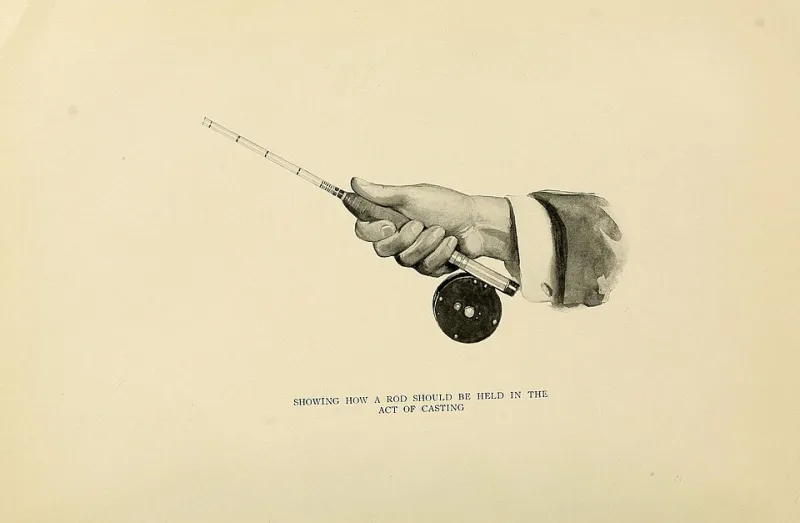
When the wind is in your face, do not try to prove anything. Shorten your line, turn your body side-on and keep the rod low on the forward cast. A low, punchy cast beats a heroic loop every time. With a fly rod, a roll cast or a single spey-style pick-up can get you out cleanly when there is no room for a back cast. With lures, use the wind to your advantage by casting slightly across and letting the bow in the line settle the lure into the strike zone.
Across the wind is often the easiest and most effective angle. Cast upwind and across, then mend or steer the line so the fly or lure tracks naturally along a ripple line. Downwind casting is tempting because it feels effortless, but you will often be dragging your offering away from the fish rather than through the feeding zone. Keep it simple: cast across, follow the line with the rod tip, and stay in contact.
Simple fly and lure choices for breezy days
In chop, fish have less time to inspect a perfect presentation. That does not mean anything works, but it does mean you can lean on profile, movement and a bit of weight. For trout, a small weighted nymph or a modest streamer fished along the edge of a wind lane is a good starting point. A slim lure-style fly with a bit of flash will show up in coloured, ruffled water. If fish are higher in the water, a team of nymphs under a slow figure-of-eight retrieve can still do the job.
For pike, small spoons, spinnerbaits and soft plastics around the 10–15cm mark are easy to cast into a breeze and easy to control on a steady retrieve. Work points and weed edges rather than blind-casting the middle of nowhere. For perch, downsize. A small shad, a little spinner or a jig worked close to the bottom can pick up fish that have grouped in the wind-driven colour.
The key is not collecting a box of magic bullets. It is matching the weight of the lure or fly to the wind so you can still cast accurately. If you cannot control the cast, you cannot fish the ripple line properly.
A quick plan for a short day
Before you leave the car, decide which bank gives you the safest access and the best angle on the wind. Walk a stretch, watch the water for five minutes and mark the seams, foam lines and calmer pockets. Fish those first. Keep your casts short and deliberate, stay mobile enough to follow the wind lanes, and do not waste the best hour of a short November day trying to cast into the teeth of a gale.
Wind on a Trossachs loch is not the enemy. It is information. Read it, work with it, and a blustery bank session can be far better than a tidy one.