Cold Hands, Smooth Drag: A Budget Winter Reel Tune-Up
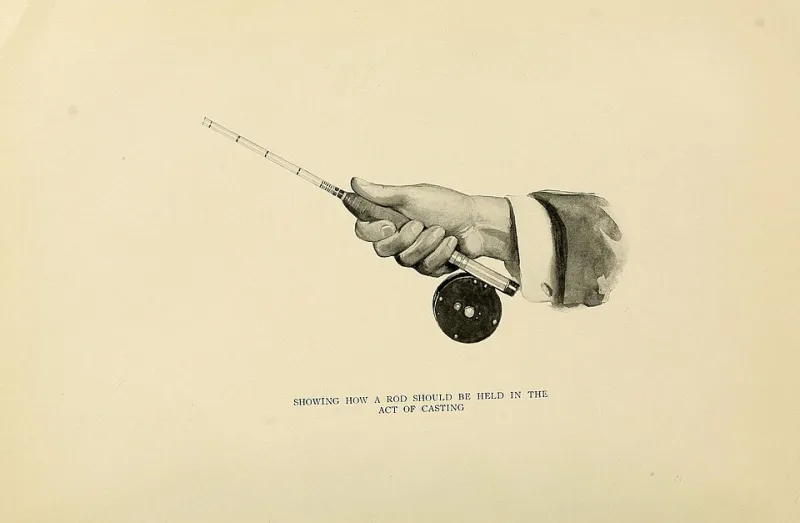
Photo: Southard, Charles Zibeon., Public domain, via Wikimedia Commons
Winter fishing in the Trossachs is hard on reels. You are never far from peat-stained water, wet grass, and a temperature that drops as soon as the sun goes behind the hill. A reel that felt silky in September can feel like it is full of grit by December. The good news is that most winter drag problems are maintenance problems, not terminal ones. A sensible DIY service costs about £50 in tools and materials—less if you already have a screwdriver set—and takes an hour on the kitchen table.
What £50 actually buys
A small precision screwdriver set costs £8 to £12. Isopropyl alcohol and cotton buds add about £5. A tub of reel grease is £8 to £12, and light reel oil another £5. An old toothbrush, kitchen roll and a small tray are free or close to it. A spare bail spring or drag washer for your model might be £5 to £10, if you know the reel. That leaves a bit for a local shop to supply the right parts.
If you do not want to DIY, a basic service at a tackle shop is often £25 to £50 plus parts; the title is not a promise, it is a budget. The point is to stop a £10 problem becoming a £100 one.
Step one: strip and assess
Work over a tray. Small springs have a talent for disappearing. Remove the spool first, then the drag knob and washers, then the handle if your reel allows it without special tools. Take photos as you go. You do not need to strip the gearbox on a fixed-spool reel every winter; you do need to get the spool, drag stack and line roller clean.
Look for the obvious faults: grit in the drag washers, a flattened bail spring, line behind the spool, a bent shaft, or grease that has gone waxy and stiff. On a fly reel, check the drag washer and the spool bearing. If the reel has been dropped in peaty water, assume there is grit in the works.
Step two: clean, do not drown it
Use isopropyl alcohol on a cotton bud to clean old grease and grit from the drag washers and spool faces. Wipe, do not soak. On a felt drag, do not soak the felt; clean the metal surfaces and replace the felt if it is compressed or contaminated. A toothbrush is useful for the bail arm and line roller. Dry everything properly before it goes back together. Water trapped under grease is worse than no grease.
Step three: grease the right bits
Use reel grease on gears and drag washers that are designed for it; use light oil on bearings and pivot points. Less is more. A thin film is enough. Over-greasing a drag can make it sticky in the cold; over-oiling a felt drag can ruin it. If you are unsure, follow the manufacturer's diagram—most are online. For winter, a grease that stays soft at low temperatures is worth the extra few pounds. Do not use Vaseline as a universal fix; it can gum up in the cold.
Step four: spool and line checks
Check the spool lip for nicks. A burr will fray line and cost you a fish. Check the drag knob runs smoothly through its range. On a fixed spool, make sure the spool sits squarely and the clutch does not slip under light pressure. On a fly reel, check the spool spins freely and the drag engages without graunching. If the line is old and coiled, replace it or at least strip the last few metres. A winter session is not the time to discover that your backing is rotten.
Emergency fixes on the bank
If a drag freezes, do not force it. Warm the reel in your hands or inside your jacket for a few minutes. Do not pour hot water on it; the shock can crack parts and the water will refreeze. If the drag is slipping because of ice, try backing the knob off completely and then re-setting it once the reel has warmed. If the bail is frozen, clear the ice with a gloved hand and a bit of warm breath, not a knife. Carry a spare spool if you have one. A small cloth and a bit of silicone spray can help keep water off the spool, but do not spray it into the drag.
When to call in a professional
Some jobs are not kitchen-table jobs: a bent shaft, worn gears, a sealed bearing that needs pressing, or a drag that still grabs after a clean. If the reel is worth more than £80 and the fault is internal, a local repair shop is usually the cheaper option in the long run. Ask for a winter service and specify that the reel is used in cold, wet conditions. A good shop will check the drag under load, not just spin the spool and say it is fine.
A winter reel service is not glamorous. It is a flask of tea, a tray of small parts and twenty minutes of swearing at a bail spring. But a smooth drag on a freezing morning is worth it. Do the basics before the frost, keep the grit out, and your reel will still be working when the lochs are quiet and the burns are high.