Teeth in the Grey: Why Trossachs Pike Belong at the Top of the Winter Bill
The trout are not the only story
There is a particular sort of Trossachs angler who packs away the trout gear in late October, sighs at the shorter days, and mutters that the season is “done” until spring. You will find them in Callander cafes nursing a coffee and talking about next April. Fair enough. But while they are waiting, the pike are getting on with being pike.
Winter pike fishing is not a consolation prize. It is not something you do because the brown trout have gone shy and the grayling are in a river you cannot reach before dark. It is a proper cold-water pursuit in its own right, and the Trossachs is unusually well set up for it. Moody lochs, quiet banks, low light, and a fish that is built for exactly this kind of weather. If anything, the short days suit pike sessions better than they suit most other fishing. You do not need a fourteen-hour campaign. You need a few hours, a simple rig, and the sense to slow down.
Why the cold suits them
Pike are not tropical creatures. They are ambush predators that remain active through the colder months, often feeding up before the spring spawn. The water is cold, their metabolism is slower, and they are not going to chase a fast lure across half a loch. But they still eat. In fact, a big pike in cold water is one of the most attainable targets on a Trossachs bank if you stop treating the session like a summer trout rise.
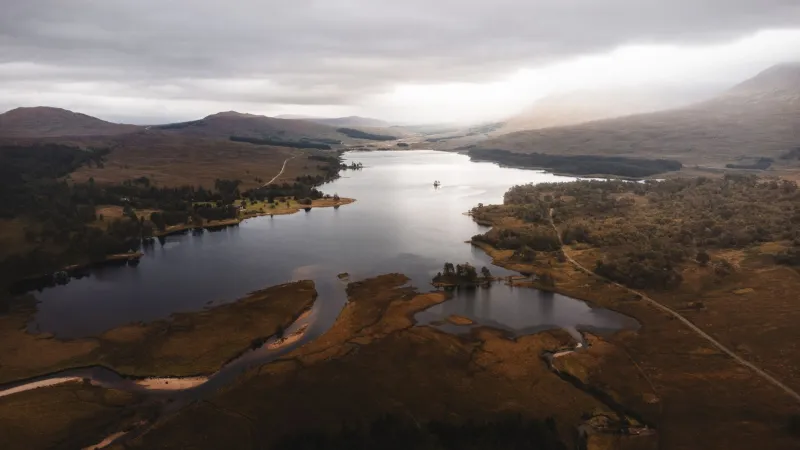
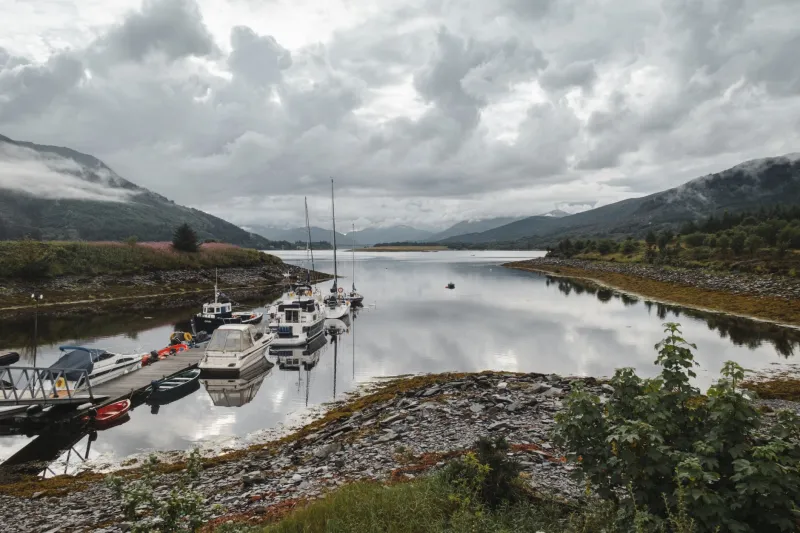
The moody lochs help. Loch Venachar and Loch Achray both have the kind of edges, bays and drop-offs that pike like to sit near when the light is flat. Loch Lubnaig has its own character, with deeper water close to the road and banks that can be fished simply. The key is not to cover water like a machine. Pick a feature, fish it properly, and give the fish time to think about your bait. Cold-water pike often take in a slow, deliberate way. If you are twitching a lure like you are late for a train, you are probably fishing too fast.
There is also the simple pleasure of the season. In November and December the Trossachs banks are quieter. The tour boats are gone, the car parks are emptier, and the light has that grey, silvered quality that makes the lochs look serious. Short days force discipline. You fish the middle of the day, you travel light, and you go home before the temperature drops and the daylight disappears. That is not a compromise. It is a good way to fish.
The handling bit is not optional
If pike are going to be treated as a premier winter target, they need to be handled like one. This is not a species to drag up a rocky bank on a wet leader and unhook with a boot. A pike is an apex predator, but it is also a delicate fish when it is out of the water, especially in the cold.
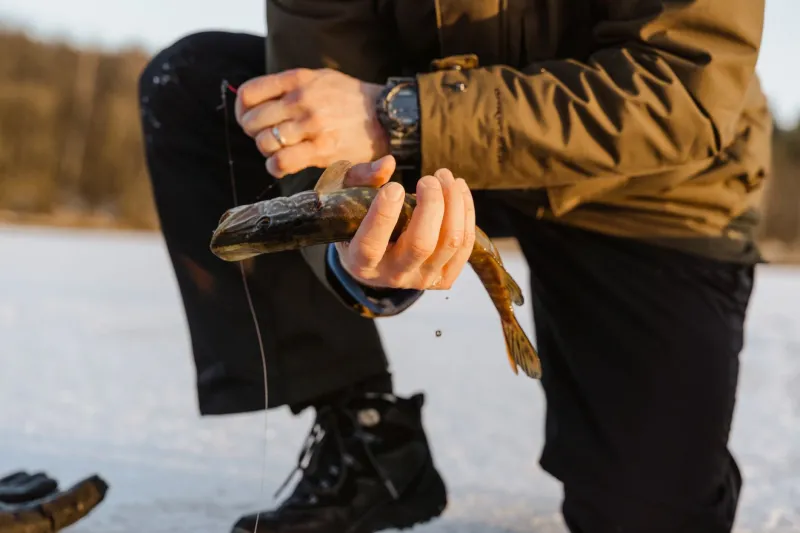
Take a proper unhooking mat. Wet it before you use it. Carry long forceps and side cutters, and use them. If you are fishing with trebles, crush the barbs or swap to singles where the water and the rules allow. A wire trace is not optional; it is basic respect for the fish and it saves you losing lures. When a pike is landed, keep it in the water while you get your kit ready. Unhook it in the water if you can, with the fish supported. If you must lift it for a photograph, support it horizontally, keep your hands wet, and do not hang it vertically by the jaw. Gill covers are not handles.
Keep the fish out of the water for seconds, not minutes. A quick photo on the mat, then back it goes. Do not dump it back from a height. Hold it in the water until it kicks away. In cold weather, a pike that has been handled badly may take a long time to recover, and there is no excuse for that when the basics are cheap and widely known.
Simple presentations for a short day
You do not need a tackle shop’s worth of kit to fish for Trossachs pike from the bank. In fact, winter is a good time to keep it deliberately simple. A single rod, a small bag and a clear plan will often beat a barrow load of gear you never use.
For bait, a simple running ledger with a wire trace and a deadbait is hard to beat. A sardine, mackerel or smelt presented on the bottom near a feature is a classic for a reason. Keep the rig clean and the bait fresh. If the bank is snaggy, a float rig can lift the bait slightly and let you work a margin or a bay without feeding the trees. Use a bank stick and a light indicator, and watch it rather than wandering off. In winter, bites can be slow and deliberate, so stay near the rod.
For lures, think big and slow. A soft shad or a slow-turning spinnerbait worked close to the edge can be deadly when the water is cold. Do not be afraid to let the lure sit for a moment before you move it. Pause. Twitch. Pause again. You are trying to convince a lethargic fish that your lure is an easy meal, not a commuter train.
Whatever you use, check the permit rules for the water you are fishing. Access and bait rules vary across the Trossachs, and the last thing anyone needs is a good session spoiled by an avoidable misunderstanding. The site’s Access & Permits section is the place to start, but always read the current club or estate information before you go.
Reading a moody loch
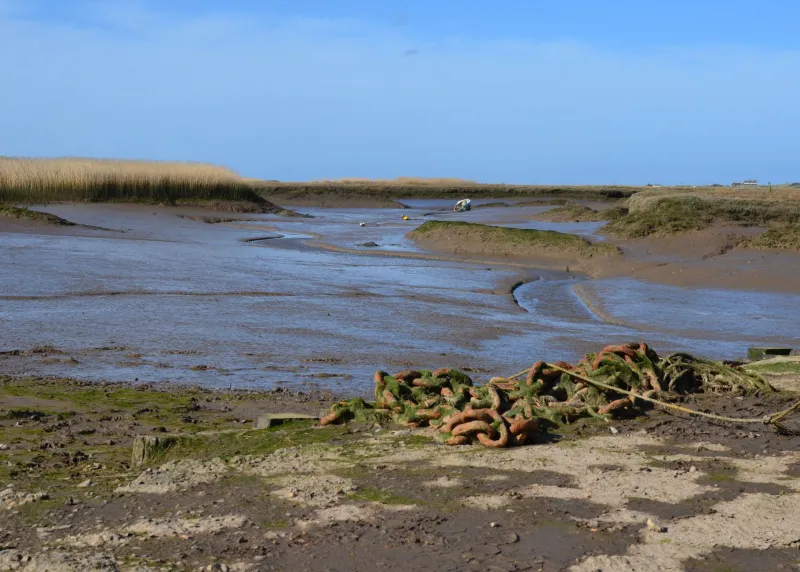
A winter pike session is often less about casting distance and more about reading the bank in front of you. Look for the edges: reed beds, fallen trees, sudden drop-offs, the mouth of a burn, or a bay that offers a bit of shelter from the wind. In cold water, pike will often sit close to structure and wait. You do not need to launch a bait into the middle of the loch. In fact, the margins are frequently the most interesting part.
Keep moving, but not too much. Give a swim twenty or thirty minutes if it looks right, then move on. On a short day, that is a sensible rhythm. Fish the middle hours, keep an eye on the light, and do not get caught out by an early dusk. A headtorch, a warm flask and a phone in a waterproof bag are not glamorous, but they are part of the kit.
A manifesto, not a compromise
So here is the case, plainly. Trossachs pike are not the fallback option for anglers who have run out of trout. They are a winter target with their own logic, their own methods and their own rewards. They ask you to slow down, to think about the bank, to handle a powerful fish properly and to make the most of a short day. That is a good deal.
Treat them as the main event. Take the mat, crush the barbs, fish the edges, and give the grey hours the respect they deserve. The trout can wait. The pike are already there.