The £400 Question: Is a Budget Packraft Really a Trossachs Fishing Boat?
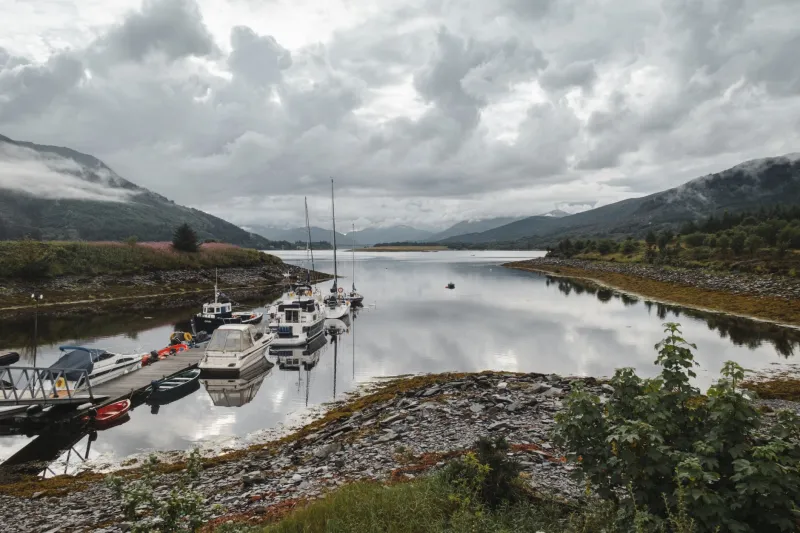
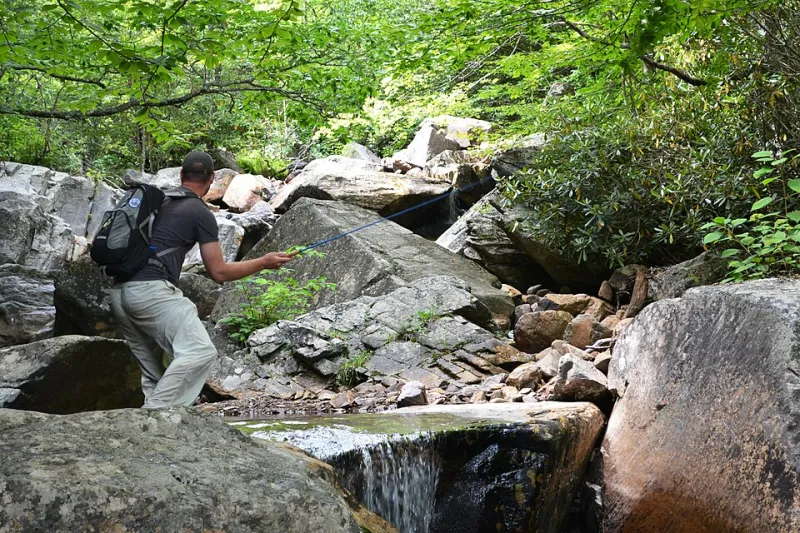
Packrafts have a seductive pitch: a boat in a bag, a loch beyond the crowds, a fly rod over your shoulder. For an angler in the Trossachs, that is a potent image. Lochs like Venachar and Achray are lovely, but the quiet corners often sit a long walk from the car. A £400 inflatable promises to close that gap without the cost or storage hassle of a hard boat.
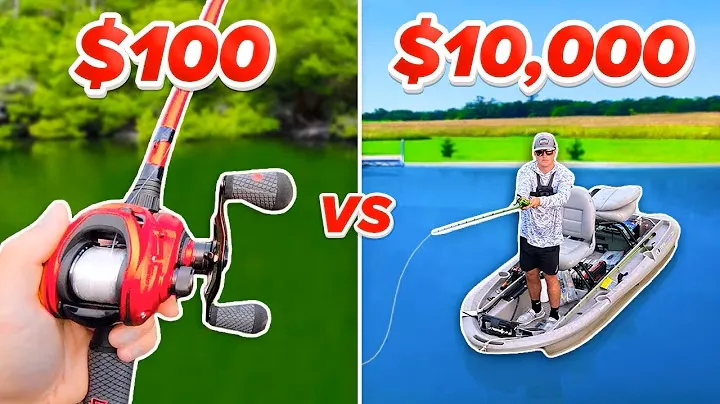
The promise is real, up to a point. The trouble is that the £400 is only the opening payment. By the time you add a decent paddle, a worn PFD, dry bags, a repair kit and clothing that will keep you functional if you go in, you are nearer £700–£800. That is still less than many hard boats, but it is not pocket money. This is the central question: will you use it enough to justify the faff?
The appeal — and the invoice you do not see
A packraft is light, packable and genuinely capable of opening up water you cannot reach on foot. It also catches wind, tracks poorly compared with a rowing boat and demands a level of self-reliance that bank fishing never asks of you. The boat is not the expensive part; the safety kit and the time are.
If you fish once a month from April to October, a hired rowing boat or a well-chosen bank session may be the better buy. If you are the sort of angler who will walk a mile to fish a quiet bay, and you will actually go out in a cold wind, the packraft starts to make sense. Be honest about which angler you are.
Launching is a permission puzzle, not a boat ramp
This is where many budget packraft plans fall apart. In Scotland, responsible access to inland water is one thing; fishing rights and launching restrictions are another. The Scottish Outdoor Access Code does not give you a right to fish, and it does not override permits, byelaws, protection orders or the wishes of a landowner at a sensitive launch point.
In practice, that means asking before you inflate. A packraft is not a skeleton key. Some Trossachs waters have specific permit arrangements; some shorelines are private, some are busy with walkers, and some are simply not suitable for launching. Do not block gates, do not park on verges that are soft enough to take a tyre print, and do not turn a quiet pier into a boat preparation area. If a sign says no craft, believe it. If you are unsure, phone the estate or fishery and ask a straight question: can I launch a small inflatable here, and do I need a separate permit for the fishing? The answer may be no, and that is useful information.
Cold water does not care about your budget
A packraft sits low, moves slowly and is very exposed to wind. In November, the Trossachs lochs are not a warm bath. Cold-water shock is a real risk, and a capsize or a clumsy entry at the bank can turn a pleasant session into a serious incident.
Wear a properly fitted PFD, not a cheap one stuffed in the bag. Dress for immersion, not for the car park. Waders worn as your only layer are a poor choice in a small boat; if you go in, they can fill and make self-rescue much harder. Dry trousers or a drysuit, with warm layers underneath, are the sensible route. Keep the first trips short, close to shore and in company. Check the wind forecast, not just the rain. A packraft is a sail when you do not want one.
Packing a rod without turning the boat into a yard sale
Space is tight, so pack like a backpacker. A four-piece rod in a tube is far easier than a made-up rod. Lash the tube low along the tubes, not upright like a mast. Keep fly lines tidy, carry one small box rather than three, and put everything that must stay dry in a roll-top bag. A short-handled net is useful; a long-handled boat net is not.
Skip the anchor. A packraft is not a stable platform for anchoring in wind, and an anchor line adds another thing to tangle. Take a flask, a spare warm layer and a means of calling for help. Tell someone where you are going and when you will be back.
The honest comparison
Bank fishing is cheap and simple, but it limits you to where you can stand. A hired rowing boat is stable, comfortable and far better for two anglers, but availability is limited and the hourly cost adds up. A packraft is the in-between: more reach than bank fishing, less comfort than a rowing boat, and a much bigger safety burden than either.
For a solo angler who will use it often, a packraft can be excellent. For a pair who want a relaxed day with a flask and two rods, a rowing boat wins. For a fair-weather angler who wants one trip a year, the bank is still the best value.
The verdict
A £400 packraft is not a folly, but it is not a shortcut either. It is a small, slow, weather-sensitive boat that rewards boring decisions: checking permissions, wearing the right kit, picking a calm day and staying near shore. If you count the hidden costs and still want the quiet corners, it is a sensible tool. If you are buying it to dodge permits or to save money on a boat, leave it in the bag.