Pocket-Money Predators: Five Cold-Water Lures for Trossachs Pike and Perch

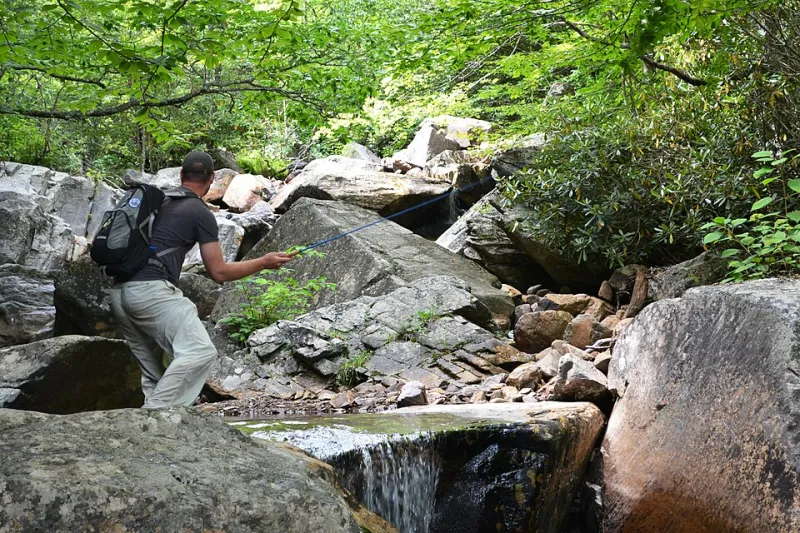
Photo: KickinTheirBASSTV, CC BY 3.0, via Wikimedia Commons
Cold water gets a bad reputation. On a grey December morning, with sleet ticking off the rod rings and the loch looking like weak tea, it is tempting to think the pike and perch have packed up until spring. They haven't. They have just downshifted. The fish are still there, still feeding, but they are less willing to chase a lure halfway across the bay. That is where a small, cheap, carefully chosen lure box earns its keep.
This is not a guide to the fanciest kit on the shelf. It is a working box for Trossachs lochs from December through February, when the water is cold, often peaty, and slow to warm. Five lures, each comfortably under a fiver, fished slowly from the bank. That is the whole idea.
Start with the water, not the lure
Peaty water changes the rules. In good light it can look like cola; after rain it can be properly brown. Visibility might be a foot or two, sometimes less. In those conditions, natural browns and dull greens disappear. You want lures that either create a strong silhouette or give off a bit of flash and vibration.
Black is the quiet hero of coloured water. So is chartreuse, orange, copper and gold. A black lure with a chartreuse tail can be seen and felt when a more realistic pattern just vanishes. For perch, think small: roughly 5–8cm. For pike, 10–15cm is plenty in cold water. You do not need a suitcase of colours. Two or three good ones, fished properly, will beat twenty fished badly.
1. A cheap paddle-tail shad
A pack of 7.5–10cm paddle tails from a budget brand should set you back less than a fiver. Rig one on a 5–10g jighead and you have a lure that works for both species. For pike, a 10cm shad on a 7–10g head is a nice slow sinker. For perch, drop down to 7.5cm and a lighter head.
In cold water, do not burn it back. Cast out, let it count down, then lift the rod tip slowly and let the lure fall on a semi-tight line. Most takes come on the drop or just as the lure settles. A black-and-silver shad or a chartreuse one is a good starting point in Trossachs colour. If the loch is very peaty, go for the brighter option first.
2. A curl-tail grub on a light jighead
A 5cm curl-tail grub is a perch magnet and costs pennies. A pack of ten plus a few 3–5g jigheads will still leave change from a fiver. Fish it close to the bank, over gravel, around rocks, or along the edge of weed that has died back for winter. Perch group up in cold water, so if you catch one, slow down and work the same area properly.
Orange, black and chartreuse are the colours I would carry. The curl tail gives just enough movement at very low speed, which matters when the water is cold and the fish are reluctant to move far. A slow lift-and-drop retrieve, with the occasional pause of three or four seconds, is usually enough. Watch the line where it enters the water; perch often take on the drop when you feel nothing at all.
3. A soft jerkbait or stickbait
A 10–12cm soft jerkbait is the pike lure in this box. Rig it weedless with a weighted hook, or on a jighead if you are fishing more open water. Black, motor oil and a dark orange are useful in peaty lochs. The appeal is the glide: a soft stickbait shimmies and hangs in the water in a way that a hard lure can't match at slow speed.
Fish it with long pauses. Cast, let it sink, twitch it once or twice, then leave it. In February, a five-second pause is not excessive. A pike that will not chase a fast lure will often take a dying fish imitation that hangs in front of its nose. Keep the rod low and watch for the line to twitch or move off before you strike.
4. A budget spinnerbait
A cheap spinnerbait in white, chartreuse or a mix of both is a useful cold-water tool. It gives off vibration and flash without needing a fast retrieve. A 10–15g model is about right for bank fishing on the Trossachs lochs. Slow-roll it just above the bottom, or along the edge of any remaining weed.
This is the lure for coloured water when you want the fish to feel the lure before they see it. The skirt pulses at very low speed, and the blade gives a dull thump that pike and perch can home in on. Do not overwork it. A steady, slow retrieve with the occasional stall is usually more effective than a jerky, aggressive one.
5. A small copper spoon or spinner
A copper or orange spoon in the 5–10g range is a classic for a reason. It casts well, sinks slowly enough to fish from the bank, and gives off a warm flash in peaty water. Small Mepps-style spinners also work, especially for perch, but a spoon is easier to fish slowly and costs very little.
Fish it with a slow, steady retrieve, letting it flutter down every so often. Copper and gold are good choices when the water is brown. If you are getting follows but no takes, try a smaller spoon or slow down further. Perch will often follow a spinner right to the bank before committing.
The boring bits matter
A wire trace is not optional if there is any chance of pike. A 20–30lb trace, a braid mainline and a sensible leader will cost more than the lures, but they are the bits that keep fish safe and sessions sane. Carry forceps, a unhooking mat and wire cutters. Check your permit and access before you go — Trossachs fishing is not a free-for-all, and the rules vary between waters.
On the bank, keep it simple. One rod, one small box, a few jigheads and traces. If you are fishing from a steep or slippery bank, wear something with grip and do not turn your back on the water. Cold-weather fishing is much more enjoyable when you are not worried about sliding in.
Fishing slowly without overthinking it
Fan-cast a few angles, let the lure sink, and work it back with long pauses. Move twenty paces along the bank and do it again. In cold water, the fish are often grouped in small areas, so a slow, methodical approach beats covering water at speed. If a lure has not had a touch after ten minutes, change colour or size rather than changing everything.
The key is to resist the urge to fish fast because you are cold. The fish are colder than you are. A slow lift, a long drop and a pause that feels too long is often just right. If a pike follows and turns away, try a smaller lure or a slower retrieve. If perch are nipping, go smaller again.
Five lures under a fiver will not make you an expert overnight, but they will give you a genuine chance on a cold Trossachs bank. Keep the box small, the retrieve slow and the colours simple. The lochs are quiet in winter, but they are not empty.