Before the Frost: Reading Loch Achray's Shallows for Late-Autumn Pike
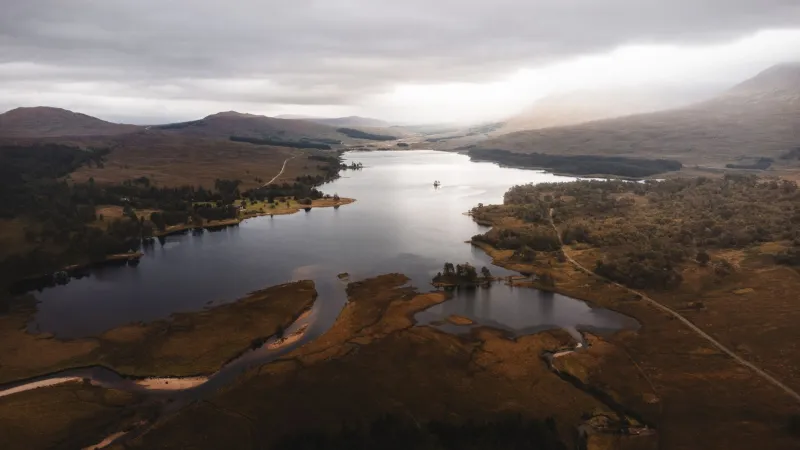
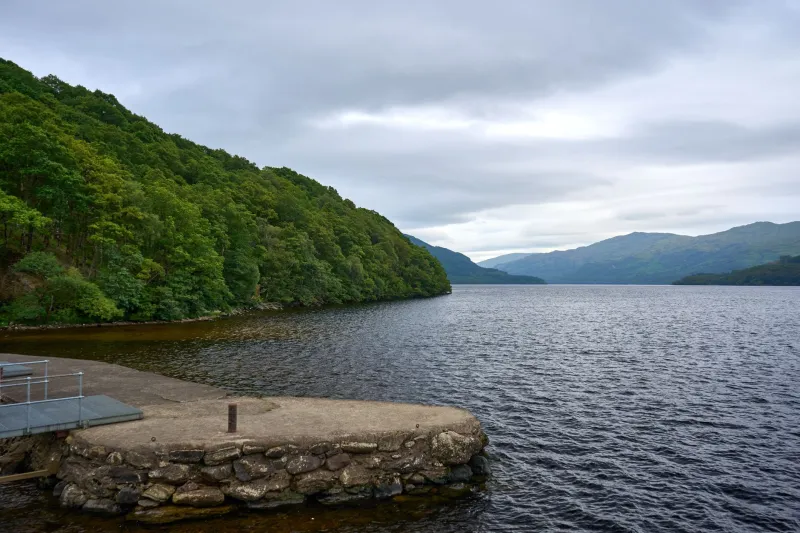
By the first week of November 2026, Loch Achray has usually swapped its autumn colours for something leaner: bare birch, grey water and a first proper nip in the air. The pike are still on the feed, though, and the bank angler who reads the shallows can enjoy a far better session than the one who simply lobs a deadbait into the deepest water they can reach.
Why the shallows still matter
Pike do not all pack up and head for the middle when the thermometer drops. In late autumn, the shallow bays, dark-bottomed corners and weedy margins can hold a degree or two more warmth than the open loch. That matters to baitfish, and where the baitfish go, pike follow. On Loch Achray, look for the kind of water that still has a bit of colour and cover: dying weed beds, the mouth of a small burn, the edge of a gravel bar dropping into deeper water. A depth of roughly three to eight feet is often enough. You are not looking for the deepest hole in the loch; you are looking for the larder.
Reading wind, weed and light
Wind is the bank angler's friend, up to a point. A steady breeze pushes surface water and plankton into a shore, and baitfish often follow. That can make the windward bank the place to be, especially if there is a bay or a point to concentrate the flow. But a full-on gale is a different matter. Safety comes first, and there is no shame in finding a sheltered corner where you can present a bait properly.
Weed edges are the other big clue. Dying weed may look messy, but it still offers cover for perch, roach and small pike. Cast parallel to the weed rather than straight into the middle of it. Work a lure along the edge, or drop a deadbait a rod length or two off the weed line. If the weed is soft and collapsing, a float rig can keep a bait just above it. If you are fishing a sinking bait, a lead that just holds bottom is usually enough.
Light matters less than you might think in November, but the low sun still affects where pike sit. First light and the last hour or two before dusk are obvious windows, but on a bright, cold day do not ignore the deeper edge of a shallow bay. Fish can slide off the shallows as the light strengthens and then move back in later.
Deadbaits for a short session
Short daylight means you need bait that works quickly and stays put. Smelt, sardine and mackerel are reliable winter deadbaits, and a half mackerel or a small smelt can be enough. Check the current Loch Achray rules before you bait up: some waters have restrictions on bait type, hook arrangements and the use of trebles. Wire traces are essential, and a simple float-leger rig or a running lead with a short trace will cover most bank situations.
Do not overfeed the swim. Two rods are plenty for a short session, and one well-placed bait is better than three scattered ones. If nothing has happened in 30 to 40 minutes, move. On a small loch like Achray, a hundred yards along the bank can put you on a different weed edge or wind lane.
Lures that earn their place
Lures give you the freedom to cover water and stay warm. Soft plastics on jigheads, slow-sinking jerkbaits and spinnerbaits all have a place. In cold water, slow down. A lazy retrieve with long pauses often beats a fast, jerky one. Natural colours work on clear days; something a bit brighter can help in coloured water or low light. Weedless presentations let you fish closer to the dying weed without constantly snagging.
Tackle and handling
A 2.75lb to 3lb test-curve pike rod, a reel with a smooth drag and 15lb to 20lb mainline will handle most Achray pike. Use a 20lb to 30lb wire trace and strong hooks. Carry a large-mesh landing net, an unhooking mat, long-nose pliers, forceps and wire cutters. Keep the fish in the water as much as possible, support its body horizontally and never touch the gills. If a fish is deeply hooked, cut the trace rather than digging around. A few minutes of care is worth more than a quick photo.
Cold-weather safety and access
November on Loch Achray can be beautiful and bitter in the same hour. Wear layers, waterproof boots and a hat, and take a flask. Tell someone where you are going and when you expect to be back. Paths and rock edges can be icy, and the light goes early. A headtorch is not optional if you are staying until dusk.
Fishing on Loch Achray requires a permit, and the rules can change. Check the current 2026 details with the estate or local angling association before you travel, and use designated parking areas. The loch sits off the A821 between Brig o' Turk and the Duke's Pass, so access is straightforward, but do not block gates or passing places. Leave no litter, close gates and give other loch users room.
Late autumn pike fishing is not about waiting for perfect conditions. It is about reading the water you have, fishing the shallows with a bit of thought and making the most of a short day. Get those things right and Loch Achray can still produce a memorable November fish.