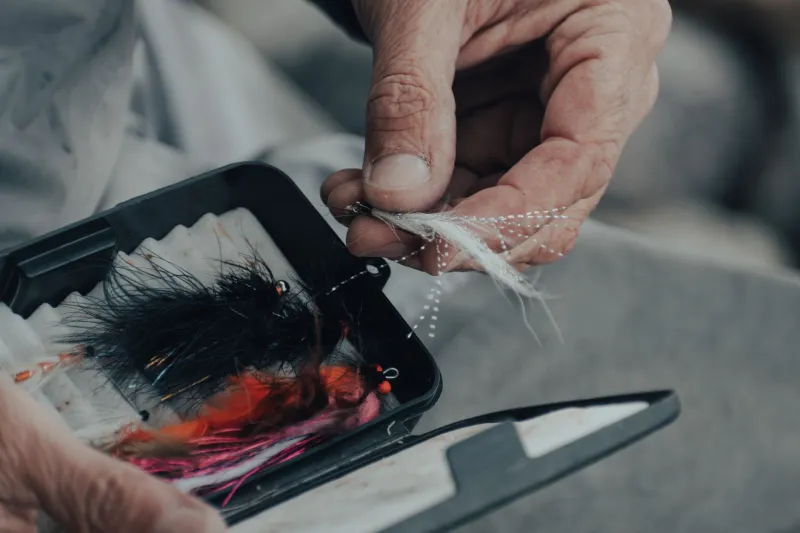
One Trace, Two Hooks, No Drama: A Winter Deadbait Rig for Trossachs Lochs
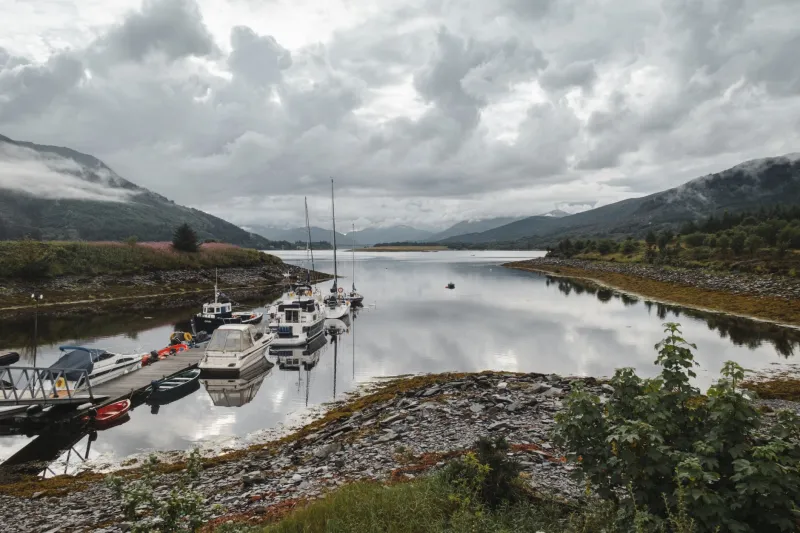
There is a particular kind of November morning on a Trossachs loch when the water is black, the wind has a tooth in it and your fingers tell you to keep everything simple. That is not the morning for a rig you need to assemble from memory. It is the morning for one trace, two hooks and a plan you can tie with cold hands while the kettle cools in the flask.
Deadbaiting for pike is often made to sound like a gear race. Bigger baits, more hooks, more alarms, more stuff in the rucksack. On the bank, though, the angler who catches steadily is usually the one who has stripped the job back to what actually matters: a clean presentation, a sensible bite indication and a fish returned without fuss. That last part is not a footnote. It is the whole point.
Read the permit before you read the rig
Trossachs fishing is not one rulebook. Loch Katrine, Loch Achray, Venachar and the smaller waters around them can all sit under different arrangements, and bank access is rarely a case of simply parking up and walking to the edge. Some permits restrict treble hooks, some ask for barbless or semi-barbed patterns, some prohibit livebaits and some close certain banks at certain times of year. None of that is optional.
So the first piece of kit is the permit. Read it before you tie anything. If the rules on your chosen water ask for single hooks, fish single hooks. If they ask you to stay off a particular bank, stay off it. A rig is only as good as the permission behind it, and a quiet word with the permit issuer or local tackle shop will save you a wasted drive and an awkward conversation at the water.
Why a simple trace beats a complicated one
A cold-weather pike rig does not need to look clever. It needs to do three things: put a bait in a natural position, transmit a take clearly and let you unhook a fish quickly. Every extra swivel, clip, bead and loop is another thing to freeze, another thing to fail and another thing to fiddle with when your hands are numb.
My preference for Trossachs bank work is a trace of around 50cm of 40lb wire, crimped or tied with a reliable trace knot, finished with a snap link at one end and two hooks at the other. That is long enough to keep the bait away from the mainline and short enough to cast without a wind-up. A two-hook trace with size 6 semi-barbed trebles is a common starting point, but check the permit first. Where single hooks are required, a pair of strong single hooks can be just as effective and often easier to remove.
The bait itself should be modest. A whole mackerel or a large smelt looks impressive in a photograph, but a smaller, fresher bait casts better, sinks more naturally and gives a pike less reason to mouth it cautiously. Frozen baits should be thawed properly, not half-solid. If you are keeping bait in a cool bag, the aim is to stop it turning soft, not to keep it rock hard.
The rig, step by step
Start with your mainline. For bank deadbaiting, 15lb to 20lb mono is a sensible, forgiving choice; braid works too, but it can be less kind on a fish at the net. Thread on a bead, then a running lead of around 1.5oz to 2oz, then another bead, and tie off to a strong swivel. The lead needs to run freely above the swivel so a pike can pick up the bait and move off without feeling the weight immediately.
Attach the trace to the swivel with the snap link. Now place the hooks. A common arrangement is one hook near the head of the bait and one set back towards the dorsal area, so the bait hangs straight rather than curling. On a smelt or small roach, the head hook can sit just behind the skull; the second hook should not be buried so deep that it cannot find a hold. Hook points should sit proud of the bait, not masked by flesh.
If the bait is soft, a small amount of bait elastic can help, but do not overdo it. The aim is a bait that looks like something a pike would eat, not a parcel. Keep the trace straight, check the hook points after every cast and change the bait before it turns white and spongy.
Bite indication for cold, slow takes
On a short winter day, bite indication matters more than casting distance. A baitrunner-style reel set light, or a drop-off indicator on a bankstick, will show you a take without making the pike feel resistance. Do not clamp the line down hard. A cold pike may sit with the bait for a moment before moving off, and a tight line can turn a confident take into a dropped bait.
When the line starts to draw, resist the urge to strike at once. Let the fish turn and move away, then wind down until you feel weight and lift into it. Keep the rod low and steady. There is no prize for a theatrical hook-set, and a calm lift usually achieves more than a lunge.
Landing and returning the fish
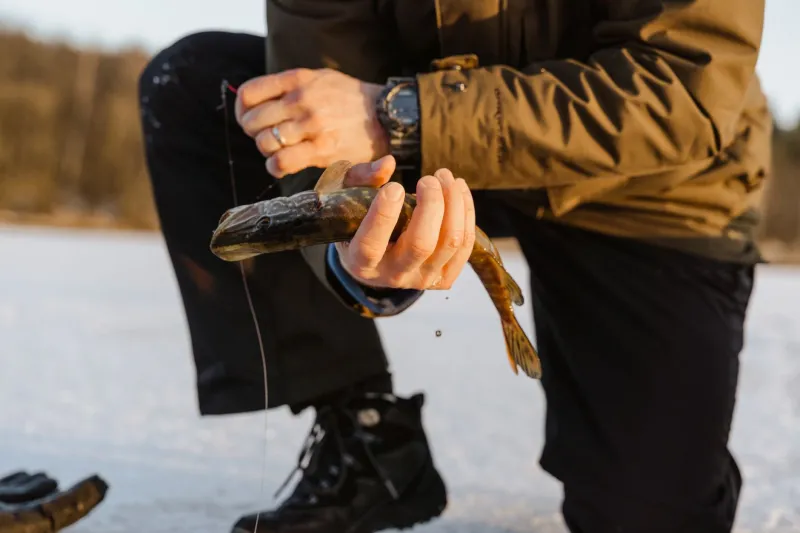
An unhooking mat is not a luxury item. It is part of the rig, in the same way the trace is. So are forceps, wire cutters and a wet sling or weigh sling if you intend to lift the fish. Wet the mat before use, keep the fish low over it and never swing a pike by the trace.
If you can, unhook the fish in the water with forceps. If it needs to come onto the mat, support the body and keep handling to a minimum. Cut hooks rather than tear them if a treble is awkward. Quick release is not a race; it is a habit. A fish that goes back strongly has a far better chance than one that has been out of the water for a photograph and a lecture.
Cold-weather tweaks that earn their keep
Fish smaller baits than you would in autumn. Fish them where the bank drops away rather than in the snaggy margins. Move every 40 to 60 minutes if nothing is happening, but do it quietly. Keep your hands dry where you can, keep the bait cool but not frozen, and keep the rig simple enough that you can retie it in the wind without taking your gloves off.
And check the permit again. The best rig in the world is no good on a bank you are not allowed to fish, with hooks the water does not allow. Discipline, in the end, is just good manners with a trace attached.