When the Air Has Teeth: A Midge-Aware Plan for Trossachs Summer Sessions
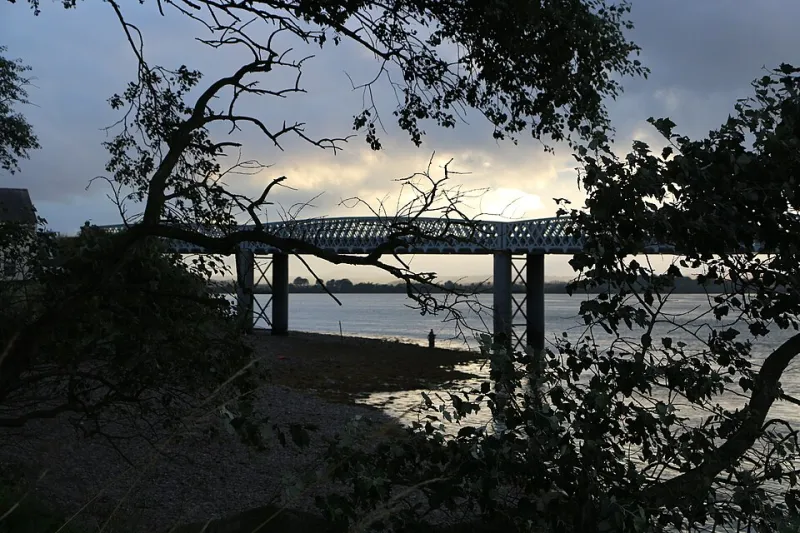
Photo: Andrew Diack , CC BY-SA 2.0, via Wikimedia Commons
There is a particular moment on a Trossachs summer evening when the fishing looks perfect and the air starts to hum. The loch is flat, the light is going gold, and somewhere behind your left ear a midge is already writing its name on your neck. That is the moment to remember a simple truth: in these parts, the biting season sets the schedule whether you like it or not.
This is not a sob story about Scottish insects. It is a planning article. Midge pressure belongs alongside wind direction, water temperature and whether the bank has a decent back cast. Get it right and you fish more comfortably, stay longer, and waste fewer evenings retreating to the car with your tackle still dry.
The open shore is your friend, until it is not
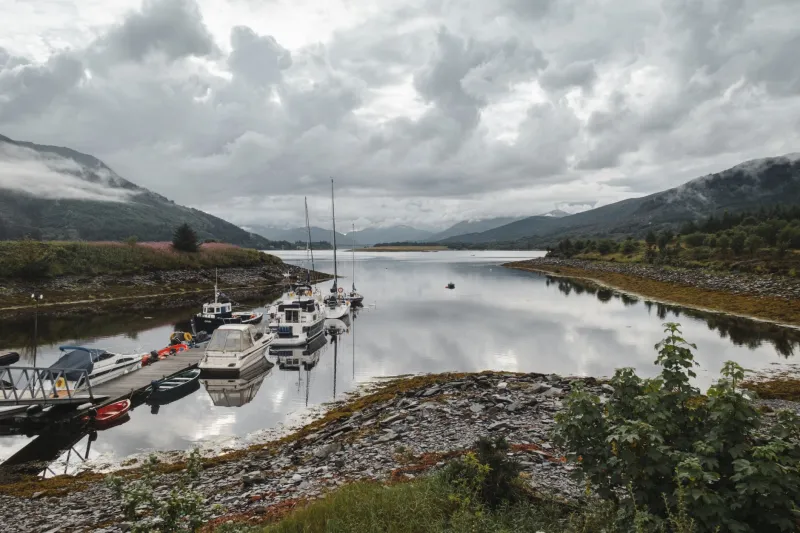
Exposed loch shores are the obvious answer. A steady breeze off the water keeps the little horrors down, and places like the broader, windward edges of Loch Venachar or the more open stretches around Loch Achray can feel almost civilised when there is a bit of movement in the air. The trade-off is that you are also fishing in the wind, which means bite detection, casting and keeping a deadbait where you want it all become a bit more honest.
Sheltered burn mouths and tree-lined banks are the opposite. They look magical, hold fish, and offer lovely protection from a cold wind. They also trap midges like a jar. A calm, humid evening under alders is not the place to discover that your repellent is three years old and has the consistency of candle wax.
So do not treat shelter as automatically good or bad. Treat it as a cost. A sheltered spot may give you better presentation and a nicer cast; it may also give you twenty minutes before you are doing the midge dance and losing concentration.
A simple score for a summer bank
Before you commit to an evening, run a quick mental tally. It is not science, but it is better than optimism.
- Breeze: steady moving air, one point. Flat calm, minus one.
- Trees and reeds: open bank, one point. Deep vegetation and still air, minus one.
- Time of day: broad daylight or a proper breeze at dusk, one point. Damp, still twilight, minus one.
- Recent rain: dry-ish ground, one point. Boggy, humid ground, minus one.
- Your kit: head net and repellent in the bag, one point. Neither, minus one.
If you end up with three or more, crack on. One or two, expect to work for it. Zero or below, pick a breezier shore or go earlier in the day. It sounds daft until you are standing on a bank at 9pm with a midge in your eye and a pike bait that has not moved in forty minutes.
Fish the hours, not just the place
Midges do not read the same calendar as anglers. They are at their most tedious in still, humid conditions, often towards dusk and around vegetation. On a breezy day, the same bank can be perfectly pleasant at 6pm and unbearable by 8.30pm once the wind drops. That is the point to move, not to tough it out.
A useful summer rhythm is to fish the open water first and save the sheltered spots for when the breeze is still doing its job. If the forecast says the wind will die at dusk, plan to be on an exposed shore for that last hour rather than tucked under trees. If the wind is forecast to build, do the opposite: start in shelter and retreat to the open bank as the evening develops.
This also changes how you fish. In breezy spots, a simple leger or float rig can be fished with less fuss. In calm, midgy corners, you might get away with lighter presentation, but you will pay for it in comfort. There is no shame in choosing the less pretty bank because it lets you stay out longer.
The kit that earns its place
The midge kit is small, cheap and deeply unglamorous. It should live in the rucksack from May to September, not be remembered the night before a trip.
A head net is the single best item. Buy one that fits over a cap and actually stays put. A decent repellent with picaridin or DEET, depending on your preference, is the second. Long cuffs and a light long-sleeved layer make a surprising difference, especially when the air is warm but the insects are persistent. After-bite relief is worth having, not because it fixes anything, but because a itchy angler is a distracted angler.
Add a small towel or cloth for your neck and hands, and keep the repellent where you can reach it without unpacking the entire bag. A pair of thin gloves can be useful at dusk, though they make knot-tying interesting. If you use a head torch, remember that midges are not impressed by your efficiency.
Do not let the tax ruin the trip
The midge is not a reason to avoid Trossachs fishing in summer. It is a reason to plan like an adult rather than a martyr. Choose breezy banks when the air is still, keep the sheltered spots for windy days, and carry the kit that lets you stay put. The fish do not care whether you are comfortable, but your concentration does.
And if an evening goes wrong, retreat without shame. A short session on a breezy shore is worth more than a long one spent slapping your own neck. The midge tax is annoying, but it is payable. Pay it, and get back to the water.