First Drip, Best Chance: Fishing the Frost-Free Edge on Trossachs Lochs
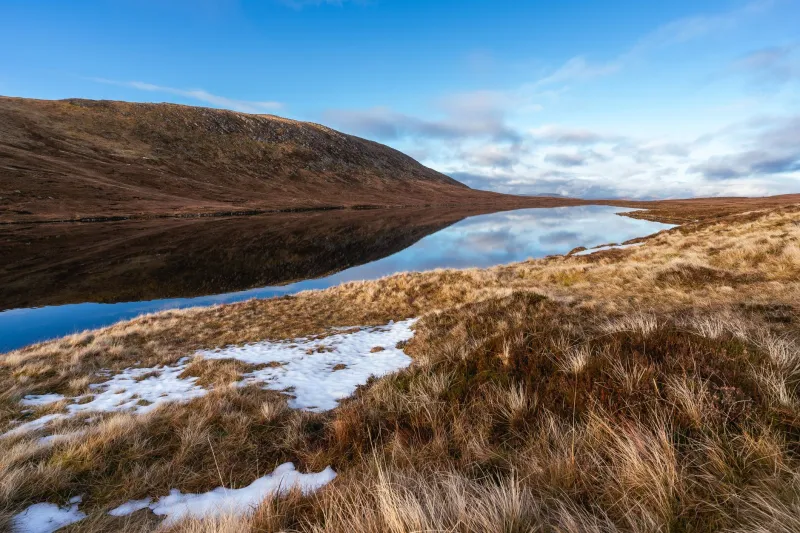
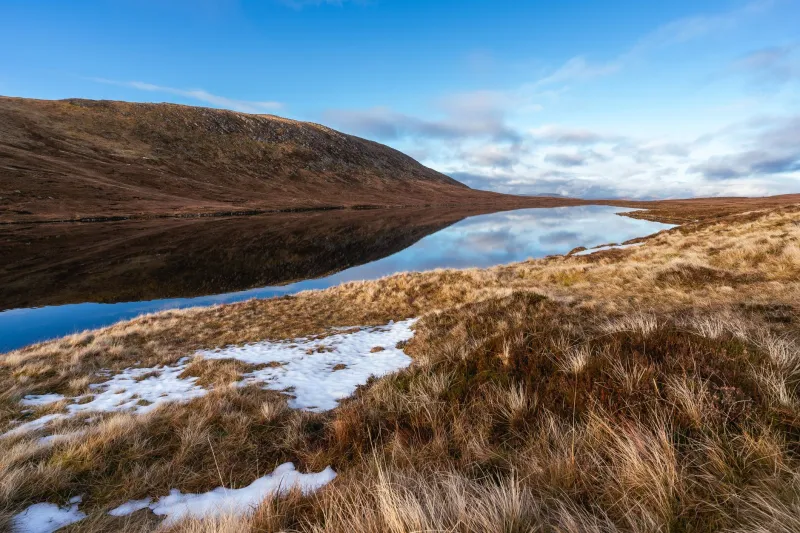
Most winter bank anglers treat a hard frost as a warning: arrive late, fish the bright middle of the day, and hope something moves. That can work, but it misses a narrower, often better window. On Trossachs lochs, the first hour or two after the overnight ice loosens its grip can be genuinely good — not because the fish suddenly become summer-hungry, but because the bank itself starts sending signals into the water.
The Bit Nobody Bothers With
A frozen margin is a quiet margin. The shallows have been chilled hard, the bank is locked up, and there is little going on to interest a pike or a perch. Then the air softens, the ice along the edge begins to go, and small trickles of meltwater start working down the bank. That change is short-lived, local and easy to miss if you are still in the car park waiting for the day to warm up.
The point is not that meltwater is warm. It is not. But it is moving, it is slightly less cold than the skin of ice it came from, and it carries a bit of colour and disturbance into the shallows. On a still, cold loch, that small influx can be enough to make a marginal feature worth a look. Fish do not need a banquet to shift position; sometimes they just need a reason to sit closer to the bank.
What Meltwater Actually Does
Think of the bank edge after a frost as a series of small drains. Water from melting ice, frosted grass and softened soil slips down towards the loch. In places it forms a faint seam: a trickle of slightly cloudier water cutting across clearer loch water. That seam is the thing to look for. It does not have to be dramatic. In fact, the best ones are often barely visible — a slight change in colour, a little ripple where the bank water meets the loch, or a patch of softened ice crumbs bobbing about.
For pike, that kind of edge can act like a feeding lane. The fish are not necessarily chasing shoals of bait fish up and down the shore; they are holding near structure and using the disturbance as cover. Perch are often more willing to tuck in tight, especially where the bank drops away and there is a bit of depth close in. Neither species is guaranteed, but the thaw edge gives you a feature to fish rather than a random bit of shoreline.
Timing the Two-Hour Hit
This is a short-session game. Do not plan a full day around it. Plan a two-hour hit and be honest about when it starts. The trigger is not sunrise on the clock; it is the first proper softening after a hard overnight frost. If the forecast says the temperature lifts mid-morning, aim to be on the bank just before that. If the frost is already releasing as you arrive, fish immediately rather than setting up a camp.
On a typical cold Trossachs morning, that might mean a nine-to-eleven session rather than an eleven-to-two one. The bright middle of the day can look pleasant and comfortable, but it is often flat and featureless. The fish have had time to settle, the meltwater has thinned out, and the bank no longer has that fresh trickle working into the loch. The first drip is usually better than the afternoon glare.
Feet First: Safe Bank Craft
A thaw makes the bank more dangerous than it looks. Frost loosens its grip, but the ground underneath can be greasy, and the ice at the edge is weaker than it was at first light. Do not walk onto any shelf of ice to reach a better spot. It is not worth it. Stay on solid ground, keep back from the lip, and use a longer rod or a careful side cast if you need to reach the margin.
Studded boots or something with proper grip are worth the fuss. A walking pole is not a fashion statement on a frozen bank; it is a third leg. Avoid steep grass slopes that were crisp underfoot an hour ago and are now turning soft. If a bank feels doubtful, move. Trossachs lochs have plenty of accessible edges, and a short session is not worth a twisted ankle or a soaking.
Simple Cold-Water Tactics That Fit the Window
Keep it simple. This is not the moment for a vast box of lures or a complicated rig. For pike, a slowly fished soft plastic or a small jerkbait around the meltwater seam is often enough. Fish it slow, with long pauses, and cover the edge parallel to the bank before fanning out. For perch, a small jig or a dropshot presented close in can pick off fish that are sitting tight and reluctant to chase.
If you are bait fishing, a light link ledger with a small bait can be worked just down the bank, but be careful not to overfeed the swim. Cold fish do not need much. The key is to put the offering where the meltwater is entering, not twenty yards out into the loch because that feels more like proper fishing. Often the bites come close enough that you can see the line twitch before you feel it.
When to Walk Away
The thaw window closes quickly. Once the trickles stop, the bank softens into a general wet edge and the bright light sits flat on the water, the advantage is gone. That is the moment to have a flask, pack up, or move to a different kind of session. Chasing the same shallow margin for another three hours is usually just cold comfort.
This is an underrated bit of winter fishing because it asks you to be early, mobile and willing to fish small. But on the right morning, that first drip off a Trossachs bank is worth more than a whole pleasant afternoon. Watch the frost go, follow the meltwater, and give the margin a couple of hours before the day settles into its bright, unhelpful middle.