Cold Numbers, Better Calls: Starting a Winter Water-Temperature Log in the Trossachs
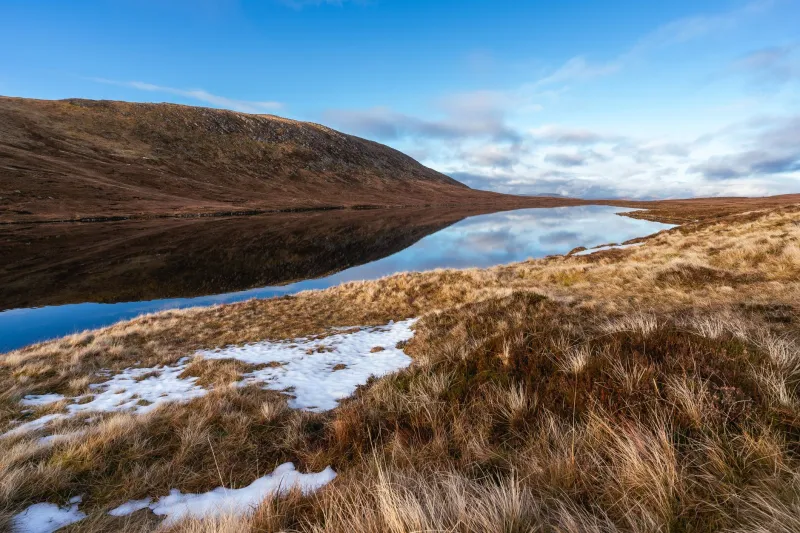
November in the Trossachs has a way of making anglers talk in certainties. The water is cold, the days are short, and the fish are either on or off. Except they rarely obey quite that neatly. What actually changes from one bank trip to the next is often a degree or two of water temperature, combined with wind, light and whether the loch has been topped up or drawn down. A notebook will not solve winter fishing, but it will stop you guessing quite so hard.
Why a thermometer beats a hunch
Most of us judge water temperature by hand, and most of us are wrong. A cold morning feels bitter, but a shallow bay can warm noticeably by early afternoon. A burn can feel icy while the main loch is holding a little more heat. If you fish the same stretch of bank through winter 2026, a simple log gives you a baseline. You stop asking whether it feels cold and start asking whether it is colder than last Tuesday.
This is not about chasing magic numbers. It is about noticing trends. Stable cold water, a slow rise, a sharp drop after rain, or a mild spell that barely touches the surface all point to different bank decisions. The log is there to support your judgement, not replace it.
The kit: cheap, simple, repeatable
You do not need a science-grade probe. A basic digital bank thermometer or a small kitchen thermometer with a stainless probe is enough. Keep it in a jacket pocket rather than the bottom of a rucksack, and check it against another thermometer at home now and then. A notebook and pencil are better than a phone in gloves, though a notes app is fine if you actually use it.
Add a cheap air thermometer if you like, or just record the forecast. The important thing is consistency. The same thermometer, used the same way, at the same kind of spot, will tell you more than a fancy instrument used once.
Where to take the reading
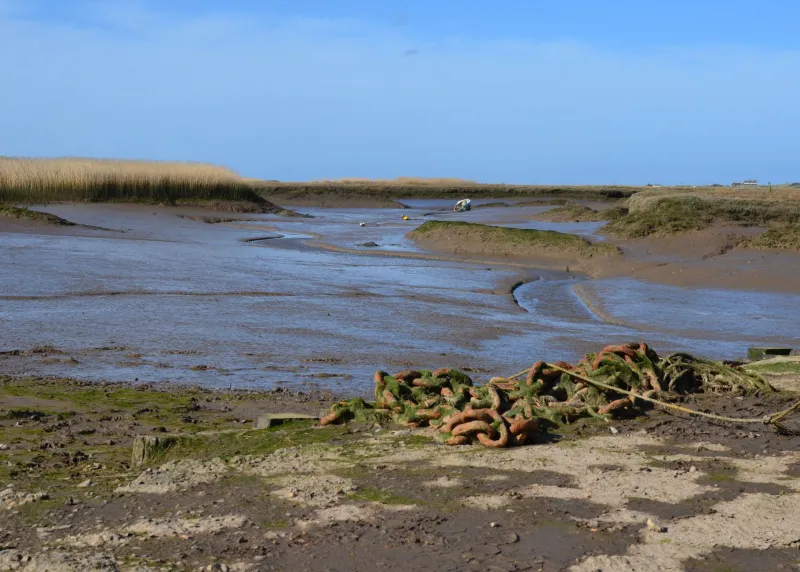
Pick one or two regular stations and stick to them. On a loch bank, that might be a few metres off a jetty, a gravelly edge beside a known drop-off, or the mouth of an inflow burn. On a river, choose a safe bank spot where you can lower the probe into moving water without wading. The Teith, the Balvaig and the smaller hill burns all behave differently, so do not mix readings from a loch edge and a rushing inflow and expect them to mean the same thing.
Take the reading 20 to 30 centimetres below the surface, not in a puddle or a sun-warmed film of water over stones. If you can safely reach a slightly deeper spot, note the depth. Record whether you are at an inflow, outflow, open bank or sheltered bay. Location matters as much as the number.
When to read
A single morning reading is useful. Two readings, morning and afternoon, are better. Try to take them at roughly the same times each trip. Early morning before the sun has had a chance to work on the shallows is good for a baseline. Early afternoon shows whether the day is actually adding heat. Avoid taking a reading in direct sun and treating it as the whole loch. It is not.
After a hard frost, take the reading before you fish. After heavy rain, take it again. Over a fortnight, those notes build a picture that a one-off check never will.
The fields worth writing down
Keep the layout simple: date, time, site, water temperature, air temperature, wind direction and strength, cloud cover, rain, water level and clarity. Add a short note on what you saw or felt. Was the burn running brown? Had the loch dropped since last week? Were there ripples in one bay and flat calm in another?
Wind and light are not background detail. A cold north-westerly can strip heat from an exposed bank, while a sheltered bay may feel and fish differently. Bright, low winter sun can warm a shallow edge without doing much for the main body of water. Write those things down while they are fresh, not after the flask has gone round and the details have blurred.
What two degrees actually mean
Small shifts do not switch fish on like a light. They change comfort and behaviour. Trout generally become less willing to chase in very cold water, so a stable, slightly milder spell may make them more likely to sit in softer flows or patrol a bank. Perch often shoal tighter in cold conditions, and a modest rise can move them along a shelf or into a slightly shallower bay. Pike are more active than many anglers expect in winter, but they still respond to steady conditions rather than wild swings.
The useful question is not whether the water is 5°C or 7°C. It is whether it has been stable, rising or falling, and whether that change is happening at your chosen bank. A two-degree rise after several cold days is worth noting. A two-degree drop overnight after rain is also worth noting. Neither tells you exactly what to do, but both help you decide whether to fish the sheltered bay, the deeper edge or the inflow.
Reading the log after a fortnight
After a couple of weeks, compare like with like. Same site, similar time, similar wind. Look for patterns rather than single readings. Did the afternoon edge warm more on calm days? Did the burn mouth stay colder after rain? Did the loch level fall and the shallow bank cool faster? These are the details that make a winter log worth keeping.
You may find that your best sessions came after a slow rise, or that a bright, calm day looked pleasant but did nothing for the water. That is useful. It is also the point where a log beats memory, because memory tends to round everything into either freezing or mild.
Mistakes and housekeeping
Do not take readings in the shallows where your boots have just churned up silt. Do not leave the probe in direct sun. Do not compare a loch reading with a burn reading unless you write down why. Calibrate the thermometer now and then, and keep the notebook dry. Check access and permit rules before you make a routine of visiting a new bank, and keep to paths where they exist.
Start with one loch and one burn. One page is enough. By the end of winter 2026 you will have a small record of what the Trossachs water was actually doing, rather than a set of half-remembered cold mornings. That is a better foundation for the next trip than another hunch.