Ask Better, Buy Better: Five Questions Worth Asking at the Tackle Counter This Winter
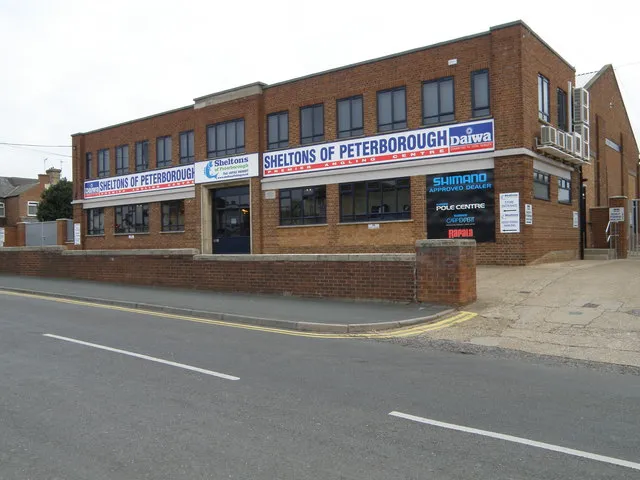
Photo: Michael Trolove, CC BY-SA 2.0, via Wikimedia Commons
There's a winter tackle purchase that starts with good intentions and ends with a lure still in its wrapper in March. You go in for a packet of trebles and a few wire traces. You come out with a 22cm swimbait in a colour best described as radioactive lemon, plus a rod you can't quite justify.
That isn't really the shop's fault. It's the question's fault — or the lack of one. The independent tackle shops in and around the Trossachs are staffed, on the whole, by people who fish the same lochs you do. That's a genuine advantage over a warehouse website. But the counter is a conversation, not a vending machine. Ask nothing and you'll get sold something.
Here are the five questions I've settled on. None of them cost anything to ask, and the answers have saved me more money than any discount code.
1. 'What are people actually bringing in at the moment?'
Present tense matters. Ask what's been on the scales, or in the photos on the wall, in the last fortnight — not what's in the catalogue. On Trossachs lochs a winter pike is usually shorter, heavier and far less keen on a chase than a summer fish. Perch ball up and either turn up in numbers or not at all.
Then ask the follow-up that separates advice from advertising: is that selling well, or catching well? Those are different questions, and a straight shop will tell you the difference without being asked twice.
2. 'What's the smallest lure you'd fish here in January?'
This one sorts the wheat from the chaff. Cold, clear water and pressured fish often want something a 10-15cm shad can do and a 25cm swimbait can't. If the only answer you get is 'big bait, big fish', you're probably looking at a shelf that needs clearing before the season turns.
On a loch like Chon, or the shallower water at the east end of Venachar, a natural perch or roach pattern shad on a 7-10g head, hopped slowly off the bottom, is a perfectly respectable winter cast. Nothing heroic about it. That's rather the point.
3. 'If I owned one trace, what would it be?'
You'll learn two useful things here: whether the shop ties its own, and what wire weight suits the water in front of you. A 20-30lb wire trace with a single or semi-barbless hook arrangement covers most bank work in the Trossachs. Some clubs and waters will nudge you towards crushed barbs, and it's better to know that in the shop than on the shore.
Buy two or three hand-tied traces and copy them at home. A spool of wire, some crimps and a decent cutters costs less than a pack of eight ready-mades once you've stopped throwing the tangled ones away.
4. 'What's the return rate on that?'
Ask this about anything mechanical — reels, bite alarms, headtorches, the cheap float you're tempted by. A good shop knows what comes back and will say so, often with a specific grumble attached. Winter gear gets abused: cold, mud, wet hands, dropped on stone. The shop hears about every failure long before the review appears online.
If the answer is a shrug and a change of subject, buy the boring one instead.
5. 'What don't you sell?'
The best independent counters will point you somewhere else without blinking — fly gear, a particular bait, boat hire on a loch they don't cover. That instinct is worth more than any loyalty card. A shop that admits its limits is a shop that knows the difference between recommending and shifting stock.
What the counter genuinely can't tell you
Two things, mainly. The first is timing. The shop hears about the good days, not the blanks, and never about the two hours you spent standing in a wind coming straight off the hill. The second is your own water. Water temperature four days into a cold snap, whether the bank has turned to soup, whether the ice went off in the night — that's your log and your boots, not theirs.
So take the advice, then do the part only you can do. Walk the bank. Look at the wind lane. Write down the temperature. Come back in a fortnight and ask a sharper question, because you'll have better information behind it.
A short winter box, honestly priced
Assuming rod, reel and net are already sorted: two or three natural-pattern shads and one brighter option; a small selection of jigheads in 7-15g; three hand-tied traces; a handful of semi-barbless singles; floats, beads and bobbins if you deadbait; long forceps; an unhooking mat you actually carry; and a spare headtorch battery.
That little lot lands somewhere around £40-60 and will fish nearly every bank in the Trossachs. You don't need the lemon swimbait. You never did.