Torch Off, Rod Out: Three Pre-Work Dawn Banks Within an Hour of Stirling
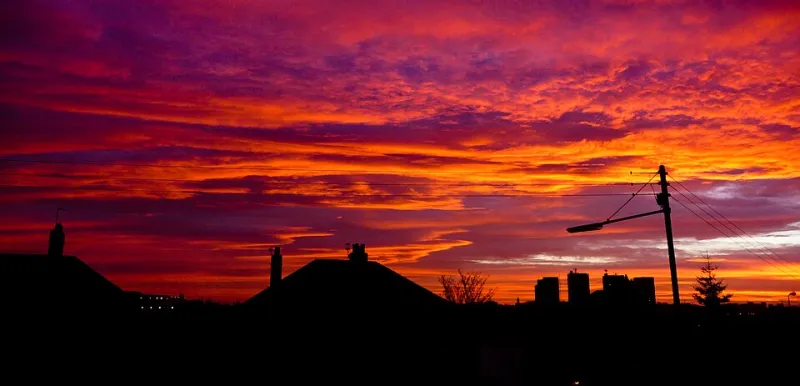
Photo: Ian Dick, CC BY 2.0, via Wikimedia Commons
The idea of a dawn session before work is lovely until you look up what time sunrise actually is. Around Stirling in late November it's a bit after eight, and by mid-December it's closer to a quarter to nine. So the romantic version — on the bank at first light, home for breakfast, at your desk by nine — mostly doesn't exist.
What does exist is a two-hour window: on the water for half seven, off by half nine, and a slightly rushed commute. It works if you start at ten, work flexi, or have a day that begins on a screen rather than in a meeting. And it's genuinely worth it — a short session on a bank you know beats a long one on a bank you don't.
Three options, all roughly within an hour of the city. Check permits before you travel; arrangements, prices and rules change, and none of this is a substitute for what the local club or shop tells you this week.
1. Loch Venachar, east end — the pike banker
Timing. Leave Stirling around 6:45, on the water for 7:30. Fish the last of the dark and the first grey hour, then one more cast and away by 9:30.
Parking. The laybys along the A821 towards the Trossachs end are the practical option. Don't block gates, don't park on verges that are already soft, and take a torch for the walk back to the car.
Access and permits. Venachar is not a free-for-all — it's covered by local angling arrangements, so sort your permit before you go rather than after. A Callander or Aberfoyle tackle shop will know the current position; ask when you buy your bait.
Likely species. Pike first, perch a close second. The perch can be worth a session on their own if you find a shoal.
Two-hour plan. One rod. A 12-15cm shad in a natural pattern on a 10-15g head, worked slowly along the edge of the drop-off, or a small deadbait under a float if you'd rather sit still in the cold. Two lures, one trace change, no box-emptying.
Skip it if. The wind is up over about 20mph from the west. The fetch at that end is long and you'll spend the session casting into your own hood. Also give it a miss after a night of hard frost if the margins are glazed — walking a slippy shore in the dark is not a good trade for a couple of hours.
2. Loch Chon — small water, quick decisions
Timing. Slightly earlier start, because the walk in is short and you'll want the time on the water. On the bank for 7:15, gone by 9:15.
Parking. The forestry car park is the sensible base; the single-track road in deserves respect in winter, and it isn't a place to be in a hurry on ice.
Access and permits. Same as the wider Aberfoyle area — check current arrangements locally before you set the alarm. Don't assume last year's ticket covers this year.
Likely species. Pike and perch, both generally modest in size but numerous enough to keep a short session interesting.
Two-hour plan. Small water rewards moving. One rod, one jig, three stopping points: fish fifteen minutes at each, then walk. Keep everything in one pocket — the point of Chon on a cold morning is that you're not setting up a camp.
Skip it if. There's been heavy rain in the preceding 36 hours and the track is doubtful, or the temperature has dropped hard enough that the margins are freezing. Small lochs shut down fast in a proper freeze.
3. The Allan Water at Bridge of Allan — the 90-minute default
Timing. This is the one you can genuinely do before a nine o'clock start. On the water at 7:00, away by 8:30.
Parking. The station car park and the surrounding streets are the obvious choices. Pay attention to the signs — this is a town, and the residents notice.
Access and permits. Club water, ticket required, with signs on the banks. Buy before you fish, fish only where you're allowed, and read the notices at the access points rather than assuming.
Likely species. Grayling are the winter target on this system; brown trout are out of season, so leave them alone if one turns up.
Two-hour plan. Float rod or light trotting set-up, 3lb main line, small hooks, maggots, and no chair. You're covering water in short trots and moving every ten or fifteen minutes. Warm hands matter more than a big bait box.
Skip it if. The river is up and brown after rain, or there's slush and ice along the path. A coloured, rising river in the dark is not a fishing trip, it's a walk with extra steps.
The mornings that look fishable and aren't
Bright, still, minus four and not a cloud in the sky is the classic trap. It photographs beautifully from the kitchen and fishes badly — clear water, hard frost and no wind is about as close to switched-off as a loch gets.
A westerly pushing straight down a long fetch, a forecast that flips while you're driving, salt on the road and a car park that hasn't been gritted: all reasons to turn round and go home for a second coffee. Nobody is marking your attendance.
What makes a two-hour session worth the alarm
One rod, one method, one planned move. Everything in a single bag you can carry in one hand. A headtorch with a spare battery, and a flask you'll actually finish.
And write something down when you get to the car — air temperature, wind, water clarity, whether anything showed. Three lines. That's what makes the second visit better than the first, and it's the only real difference between a hobby and a habit that catches fish.