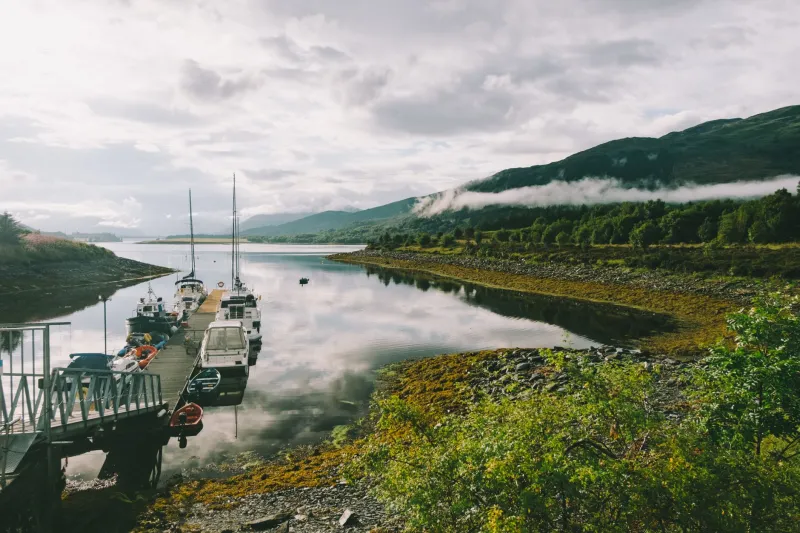
Ramp Diplomacy: Launching a Small Boat on Trossachs Lochs Without a Pantomime
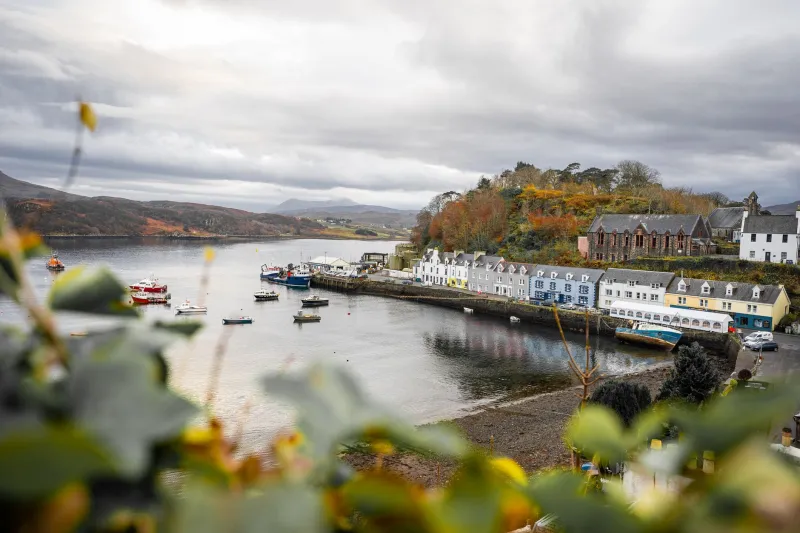
A boat session in the Trossachs is often decided before anyone makes a cast. Not by the forecast, not by the fly box, but by the ten minutes at the slipway: whether the permit is right, whether the trailer lines up, whether the ramp is weed or gravel, and whether the chap reversing beside you has remembered his handbrake. Get those things wrong and you spend a short November day doing theatre in waders. Get them right and the loch feels like it has been waiting for you.
This is the unglamorous side of small-boat fishing. It is also the side that keeps the day calm.
First, the boring bit: permits before petrol
Trossachs launching is not a free-for-all. Different lochs, estates and clubs have different rules, and winter is not a quiet season for enforcement just because the car park is emptier. Check before you hitch up: whether trailered boats are allowed at all, whether there is a launch fee, whether you need a permit displayed on the car, and whether the water is closed for supply or conservation reasons. Some places are happy with a small boat and electric outboard; others are not. Some want advance notice. A few want nothing to do with trailers, full stop.
Do this at home, not at the gate. Arguing your case on a single-track road with a trailer behind you is nobody’s idea of a good start. Keep the permit, booking confirmation and any club membership number where you can reach them without unpacking half the car. If a warden or ghillie asks, be straightforward. They are usually more interested in whether you know the rules than in spoiling your morning.
Single-track maths
Access roads around the Trossachs can be narrow, winding and generously supplied with blind corners. Add a trailer and the maths changes. Passing places are for passing, not parking. If you meet a car, one of you reverses; work out who has the easier job and get on with it. Do not stop on a bend to check your mirror or your sandwich.
Arrive early enough that you are not rushing. Before you unhitch, look at the whole launch area. Where will you turn around later? Where will the trailer sit while the car is moved? Is there space to prep the boat without blocking the ramp? A little walking about now saves a lot of shuffling later.
And chock the wheels. Every winter someone watches a trailer make a slow, dignified bid for freedom across a car park. It never ends well.
Low water is a different slipway
Late autumn and winter drawdown can expose a ramp you barely recognise from summer. The concrete may end sooner. Weed, algae and silt can make the surface slippery, and gravel can build up at the bottom. Walk the ramp before you commit the car and trailer to it. Look for the edge, check for drop-offs, and see how much depth you actually have where the boat will float.
If the trailer needs to go deeper than you are comfortable with, use an extension strap rather than dunking the car. Keep the handbrake on, use chocks, and have someone on the bow line. Weed is the quiet nuisance: it wraps around trailer lights, fouls the prop and makes recovery feel like pulling a hedge out of the loch. Clear it as you go rather than dragging half the shoreline home.
Wind: the ramp’s other gatekeeper
Wind direction matters as much at the slipway as it does on the drift. An onshore breeze pushes the boat back towards the ramp; an offshore one can take it away faster than you expect. A side wind turns a simple launch into a two-person negotiation. Before you take the straps off, stand for a moment and feel what the wind is doing. It will tell you whether to launch bow-first, hold the boat on a line, or wait ten minutes for a lull.
Recovery is where wind really shows off. Aim to come back before the light goes, not as it goes. A boat that is easy to float off can be a stubborn thing to winch back on when the wind has swung and your fingers are cold. Bow into the wind where you can, keep the trailer straight, and use the winch steadily rather than attempting a heroic single heave.
The audience problem
A busy slipway is a small stage. Everyone can see your reversing, your rope work and your wet boot. The trick is not to perform; it is to be quick and predictable. Prep in the car park, not on the ramp: fit the plug, check the fuel, sort the oars, attach the bow line, load the tackle. The ramp itself is for launching and recovering.
If someone is waiting, say what you are doing and how long you will be. Ask before helping with another boat — some anglers have a system, and your helpful shove may be the wrong one. Do not hog the ramp with a coffee and a discussion about pike. And if you are the one waiting, give people room. A calm slipway is usually a shared effort.
A calm launch checklist
- Permit or booking confirmed, and visible if required.
- Launch rules checked: trailer allowed, engine type, fee, closed seasons.
- Weather and wind checked for the ramp as well as the loch.
- Trailer lights, tyres, hitch, safety chain and winch strap checked.
- Wheels chocked before unhitching.
- Ramp walked: edge, weed, gravel, depth.
- Boat plug in, fuel topped up, oars and kill cord aboard.
- Bow line attached before the boat leaves the trailer.
- Trailer lock and spare wheel accessible, not buried under kit.
Recovery before dark
Short days are not the enemy; bad timing is. Decide your last-cast time at the start, not when the light starts to go. Recovery is slower in the cold: straps stiffen, knots tighten, and the trailer wants to behave like a sled. Take your time, drain the boat, clear the weed, secure the straps and check the lights before you drive off. Then do the final walk-round. It is a dull habit that has saved more than one trailer from a lonely night in a Trossachs car park.
Launching a small boat is never going to be the photogenic part of fishing. It is, however, the part that decides whether the rest happens. A bit of ramp diplomacy, a proper permit check and a calm recovery will do more for your winter boat fishing than any new lure. And you get to keep the trailer, which is always a bonus.